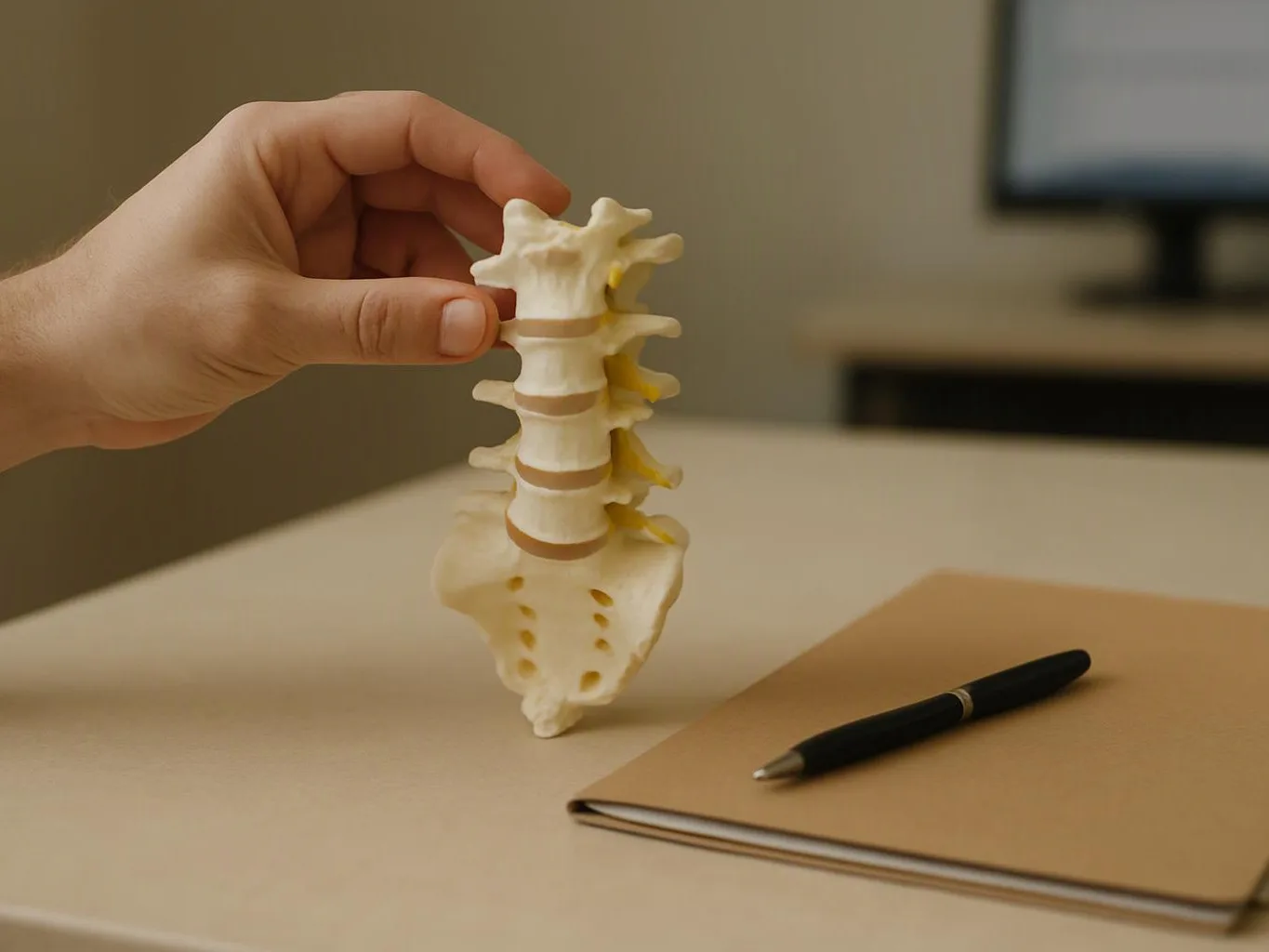
Herniated Disc Treatment After an Auto Accident
Herniated disc treatment after a car accident starts with a medical exam and may include imaging, medication, physical therapy, or targeted injections. Premier Injury Specialists also helps connect your symptoms, treatment plan, and medical documentation to the accident.
Request an Estimate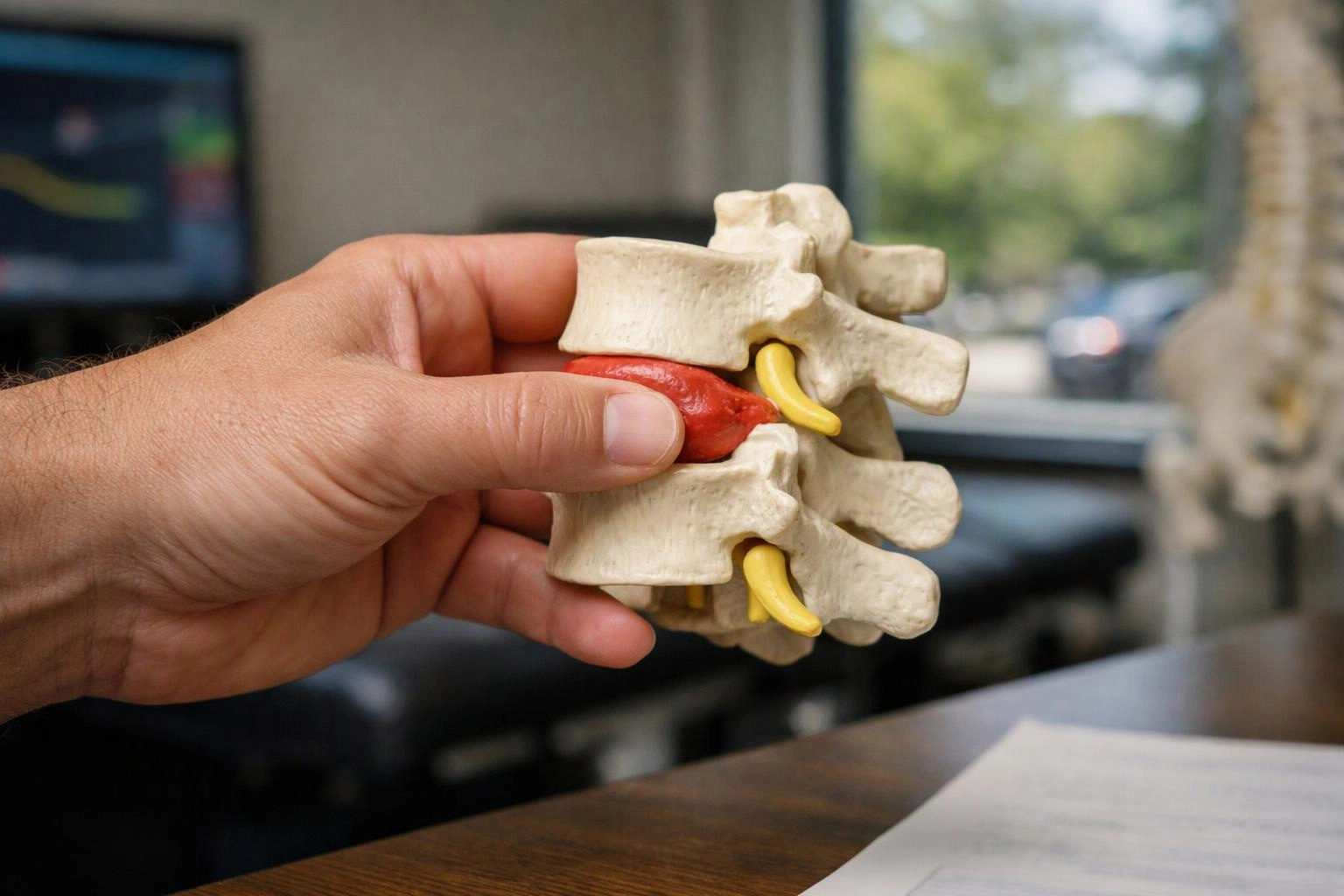
What Is a Herniated Disc After a Car Accident?
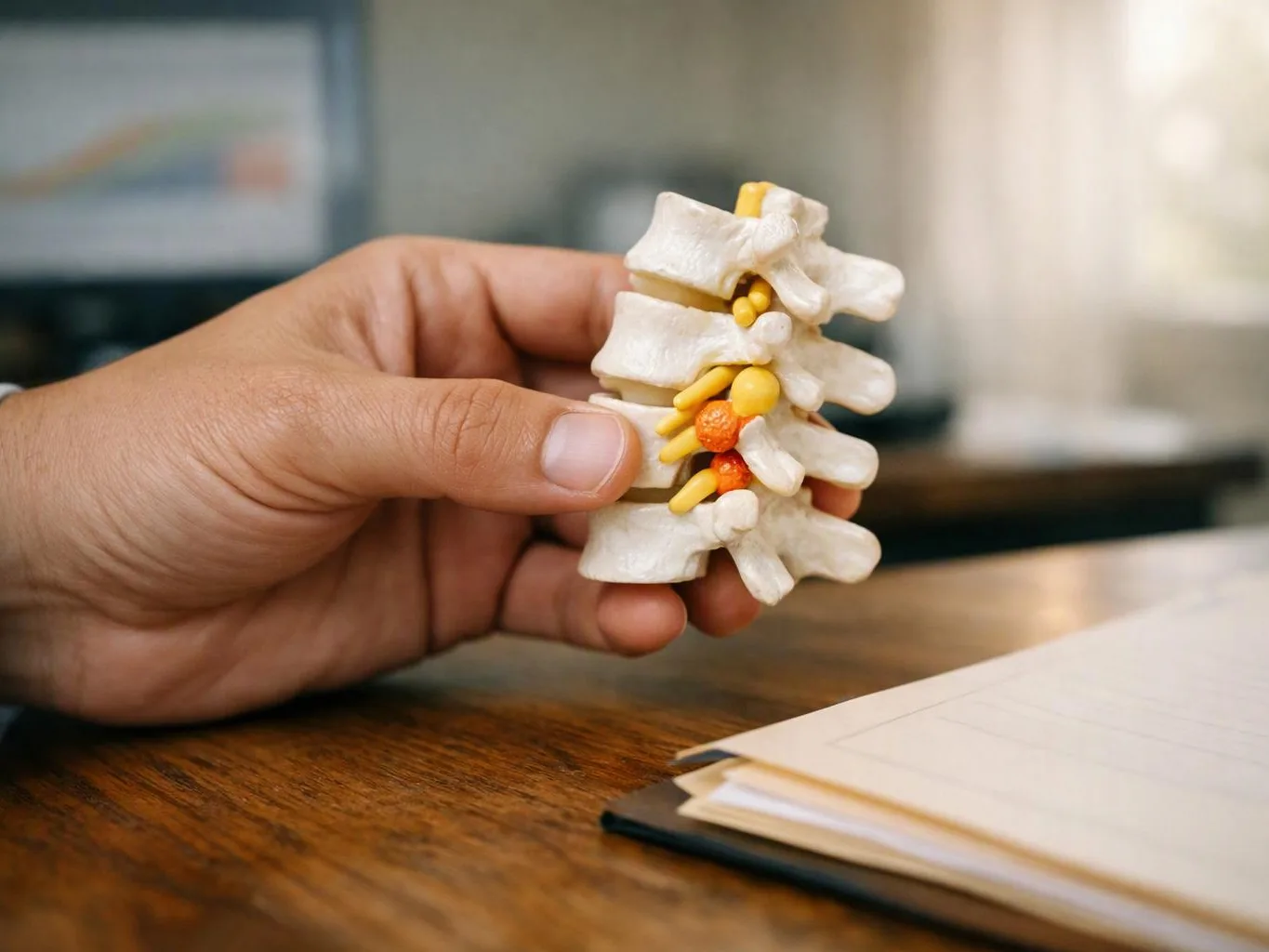
A herniated disc is a spinal disc injury that can irritate nearby nerves after sudden force from a car accident. Premier Injury Specialists evaluates how the injury may affect your daily movement and comfort.
An intervertebral disc sits between the vertebrae and helps cushion the spine. A tear in the annulus fibrosus can let the nucleus pulposus move outward, which may affect a spinal nerve.
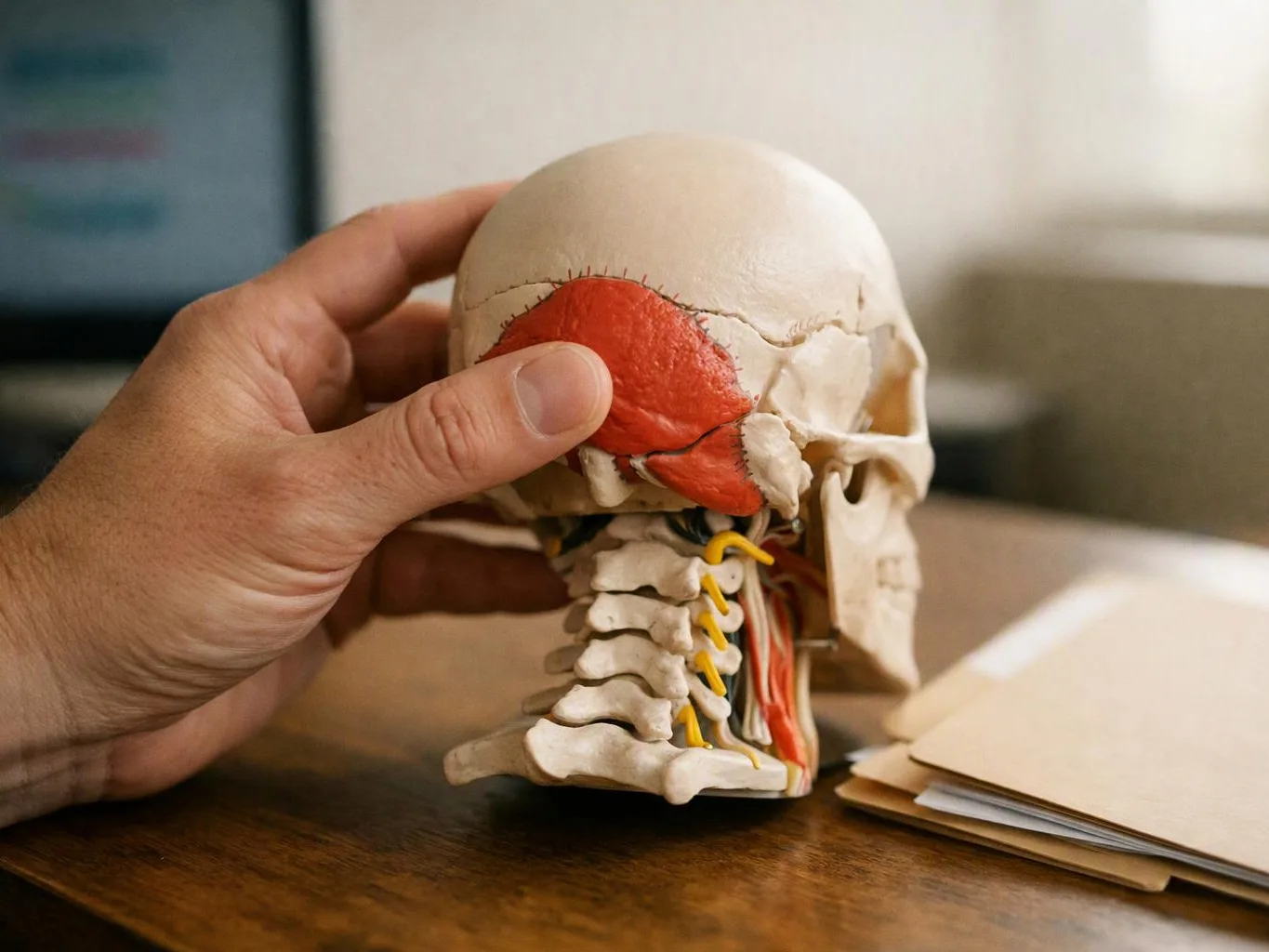
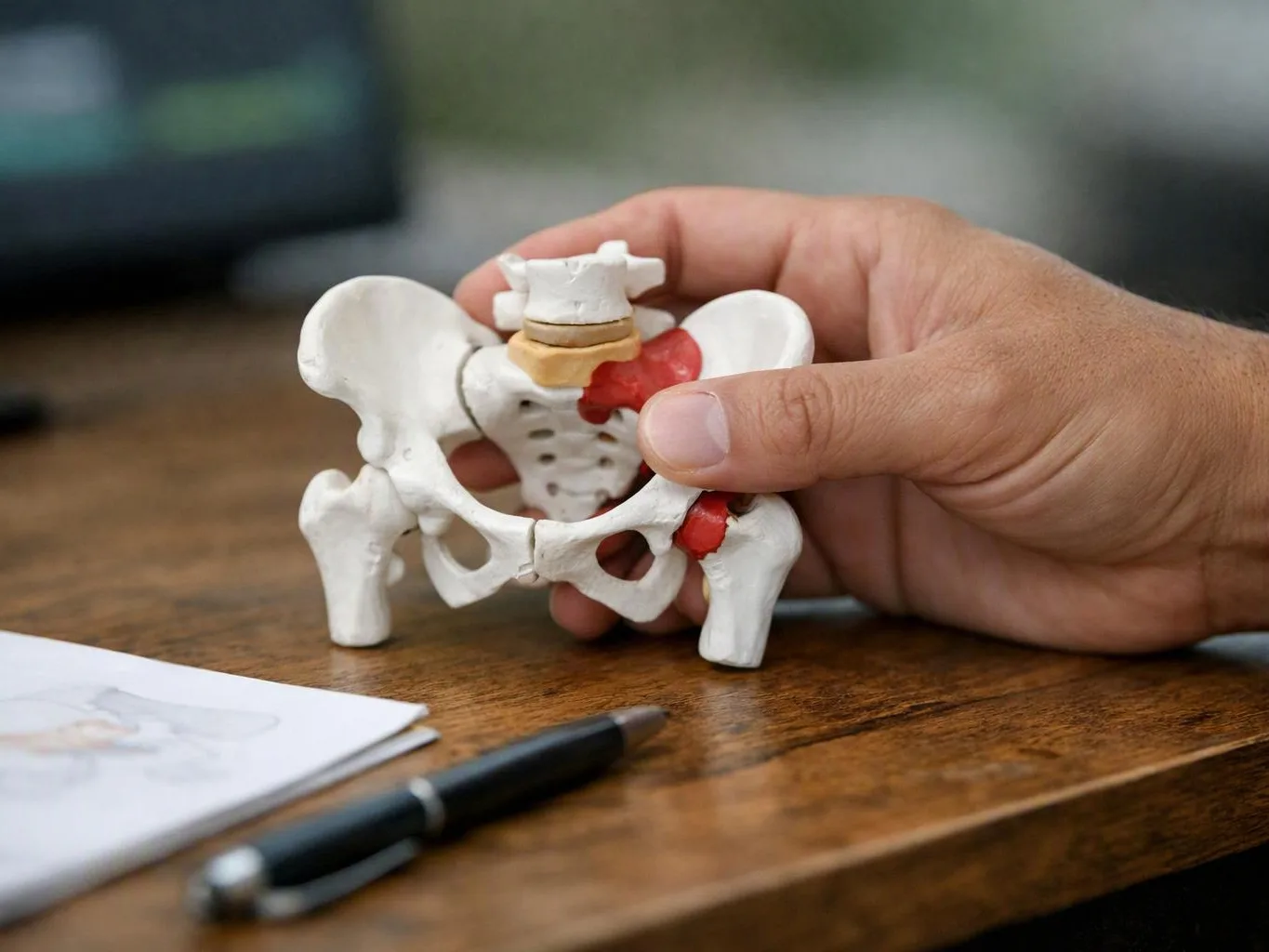
Herniated discs can affect the cervical spine, lumbar spine, or thoracic spine. Our team records the injury location, symptom history, and accident details during the clinical evaluation.
What Symptoms Can a Herniated Disc Cause?
A herniated disc can cause pain and nerve symptoms in the neck, back, arms, or legs. We compare your symptoms with the examination findings to guide the treatment plan.
Symptoms may change as inflammation develops after an accident. We document new or worsening symptoms during follow-up care.
What Commonly Causes a Herniated Disc in a Crash?
A crash can place sudden stress on the spine and its supporting discs. Our team considers the impact pattern, body position, and prior disc condition.
A bulging disc or slipped disc may also become painful after trauma. We assess whether the accident caused new symptoms or changed an existing condition.
How Do We Diagnose a Herniated Disc After an Accident?
Herniated disc diagnosis combines your accident history, symptoms, physical findings, and imaging when imaging is medically appropriate. Premier Injury Specialists uses this information to connect the clinical picture with your care needs.
We review your medical history and symptom history first. A physical examination checks movement, tenderness, strength, and pain patterns.
A neurological examination checks reflexes, sensation, and muscle function. These findings can show whether nerve compression or radiculopathy may be present.
Magnetic resonance imaging, also called MRI, can show discs, nerves, and other soft tissues. We review diagnostic imaging with your examination and medical records instead of relying on an image alone.
Which Treatments May Help a Herniated Disc?
Herniated disc treatment depends on symptom severity, nerve involvement, examination findings, and response to conservative care. We build a treatment plan around your symptoms and recovery needs.
Conservative treatment may include pain medication, physical therapy, activity modification, and prescribed exercises. These steps can reduce irritation while the spine heals.
An injection therapy option may help when nerve-related pain continues. We discuss the purpose, possible benefits, and risks of a spinal injection before treatment.
Spine surgery may be considered when serious nerve problems continue or conservative care does not provide enough relief. We use the examination and imaging findings to determine when a surgical opinion may be appropriate.
Our team can coordinate Herniated Disc Treatment around your medical records and accident-related symptoms.
When Can an Epidural Steroid Injection Help?
An epidural steroid injection may reduce inflammation around irritated spinal nerves and help manage radiating pain. We consider this option when a nerve root appears connected to radicular pain.
The injection places medication near the irritated area around the spine. Our pain management physician reviews your symptoms, neurological examination, and imaging before recommending injection therapy.
When Is a Selective Nerve Root Block Used?
A selective nerve root block targets a specific spinal nerve when symptoms and examination findings point to that nerve. We may use the procedure as a diagnostic injection and a treatment option.
The block can help identify whether one nerve root is causing radiculopathy. Our team uses the result with your full clinical picture, not as the only basis for care.
What Should You Do After a Car Accident With Back or Neck Pain?
After a car accident, prompt medical evaluation can identify injuries and guide safe follow-up care. We recommend keeping clear records of symptoms and treatment changes.
Accident documentation helps connect the crash with the care you received. We use your records to support a clear clinical history.
How Can You Reduce the Risk of Further Disc Irritation?
Safe daily movement can reduce stress on an irritated disc during recovery. We tailor activity guidance to your examination and prescribed treatment.
Stop an activity that causes new weakness or severe pain. Contact our team so we can review the change.
When Does a Herniated Disc Need Urgent Medical Attention?
A herniated disc needs urgent medical attention when new neurological changes suggest serious nerve or spinal cord compression. Seek immediate medical care for progressive weakness, loss of bladder control, loss of bowel control, or saddle numbness.
These warning signs can occur with severe nerve compression or cauda equina syndrome. Spinal cord compression can also threaten movement and sensation.
Do not wait for a routine appointment when these symptoms appear. We can help document the symptoms after urgent care and coordinate appropriate follow-up.
How Does Medical Documentation Support Accident-Related Care?
Medical documentation records your symptoms, examination findings, diagnosis, treatment, and recovery needs after the accident. Our team keeps the clinical record focused on your care.
Useful records may show symptom progression, imaging reports, treatment history, and changes in function. These details support a careful causation assessment based on the accident history and medical findings.
Clear records also help connect physical therapy, medication, injections, and follow-up care to the treatment plan. We explain the clinical reasoning behind each recommended step.
How Premier Injury Specialists Builds a Treatment Plan for Accident-Related Disc Pain
Premier Injury Specialists builds an accident-related treatment plan from your clinical evaluation, symptoms, and medical documentation. Our pain management physician explains each option in plain language.
We offer Free Consultations for people seeking guidance after an accident. Our team uses the consultation to understand your symptoms and discuss appropriate next steps.
What Can Change the Cost of Herniated Disc Treatment?
Herniated disc treatment cost depends on the evaluation, imaging, procedures, follow-up care, and documentation included in your plan. We review these cost drivers before care begins.
Treatment type can change the quote because an office evaluation differs from injection therapy or extended follow-up care. Imaging needs and the complexity of an injection procedure can also affect the total.
Medical documentation and follow-up care may be part of the care plan. Contact us for an exact quote based on your symptoms, findings, and recommended treatment.
How Can You Request Care for a Herniated Disc After a Crash?
You can request a medical consultation with Premier Injury Specialists by sharing your accident details, symptoms, and available treatment records. Our team will review the information and explain the next clinical step.
Bring medical records, imaging reports, medication details, and notes about symptom progression when available. These details help us create a focused treatment plan for your accident-related injury.
Get a Free EstimateQuestions About Herniated Disc Treatment After a Car Accident
Can a car accident cause a herniated disc?
Yes, a car accident can cause a herniated disc through sudden impact, flexion, extension, or twisting. Premier Injury Specialists reviews the accident history, symptoms, examination, and imaging when appropriate.
Can a herniated disc cause pain that travels into the arm or leg?
Yes, a herniated disc can cause radiating arm pain or radiating leg pain when a nerve root becomes irritated. The pattern may be called radiculopathy or sciatica, depending on the affected area.
Can a herniated disc show up after a delayed onset of pain?
Yes, herniated disc pain can appear later as inflammation and muscle tension develop after a crash. Record when symptoms begin and share the progression during your medical evaluation.
Do I need an MRI for a herniated disc after a car accident?
No, an MRI is not needed for every person with accident-related back or neck pain. The medical history, physical examination, neurological findings, and symptom pattern guide whether magnetic resonance imaging is medically appropriate.
Can an epidural steroid injection treat pain from a herniated disc?
Yes, an epidural steroid injection may reduce inflammation around an irritated nerve and help manage radicular pain. The treatment choice depends on your symptoms, examination findings, imaging, and overall treatment plan.
What medical records should I keep after an accident-related disc injury?
Keep medical records that show your accident details, symptom history, examination findings, diagnosis, imaging reports, treatment history, and follow-up care. These records help our team understand symptom progression and plan appropriate care.
Related Resources
Auto Accident Injury Evaluation and Medical Documentation: What Comes First?
What Goes With ItEpidural Steroid Injection vs. Selective Nerve Root Block for Sciatica and Radiculopathy
Compared ToPain Management Physician vs Chiropractor After a Car Accident
Brand vs BrandAuto Accident Injury Evaluation Providers Compared: What to Verify Before Choosing