
Record the accident-related symptoms
We document the pain location, symptom pattern, functional limits, and conditions that began or changed after the motor vehicle collision.
We prepare focused records for auto accident injuries, from the first evaluation through treatment planning. Same-day evaluations are often available.
Your symptoms and exam findings stay connected to the accident-related care plan.
Treatment choices have a documented clinical reason.
Follow-up visits can track changes in pain, movement, and nerve symptoms.
A coordinated record supports communication between the evaluation and treatment stages.
“§ 31-33-2, requiring providers to furnish medical records within 30 days of receiving a valid written request.”
Source: tavrn.ai·Year: 2025

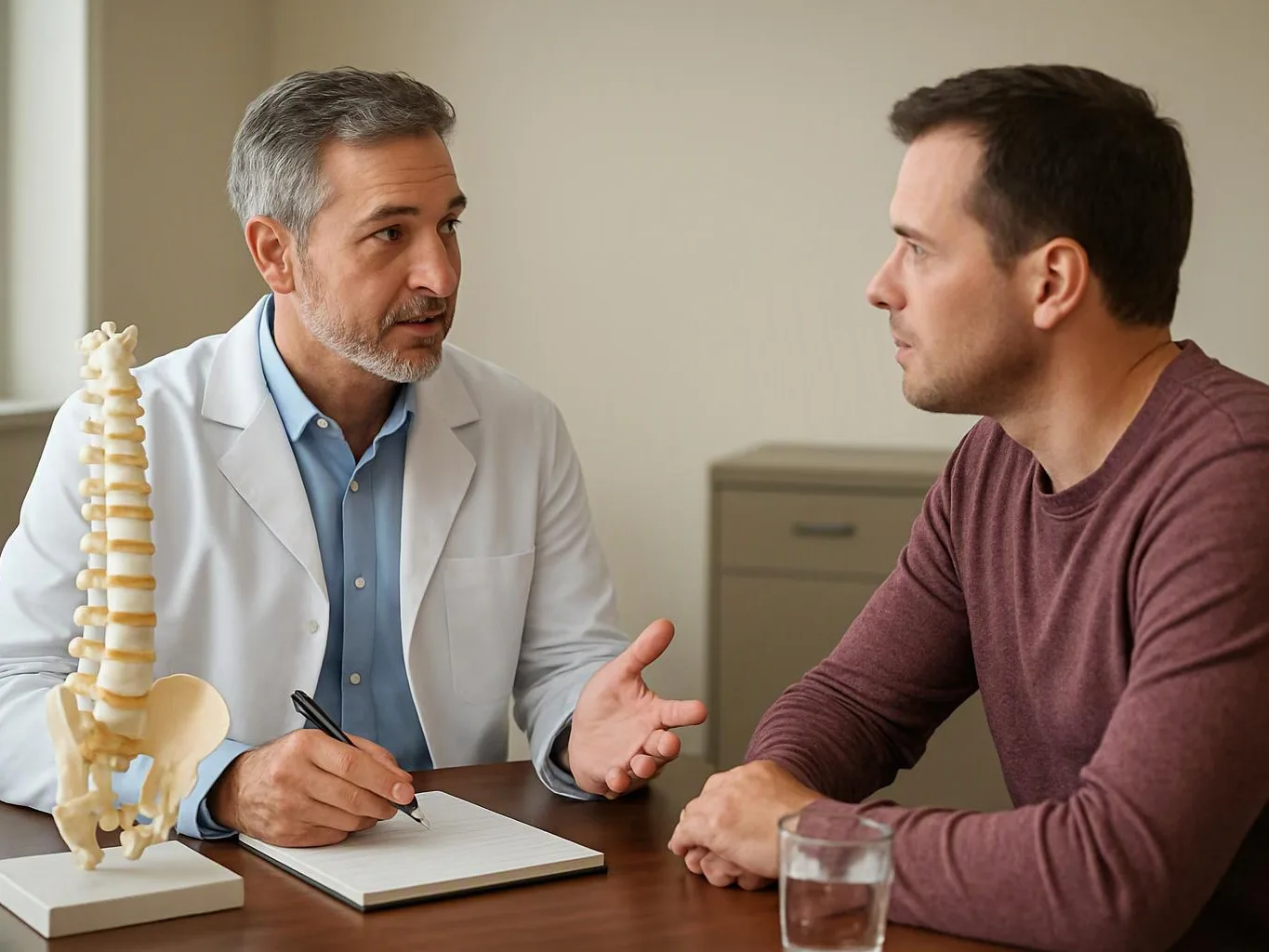
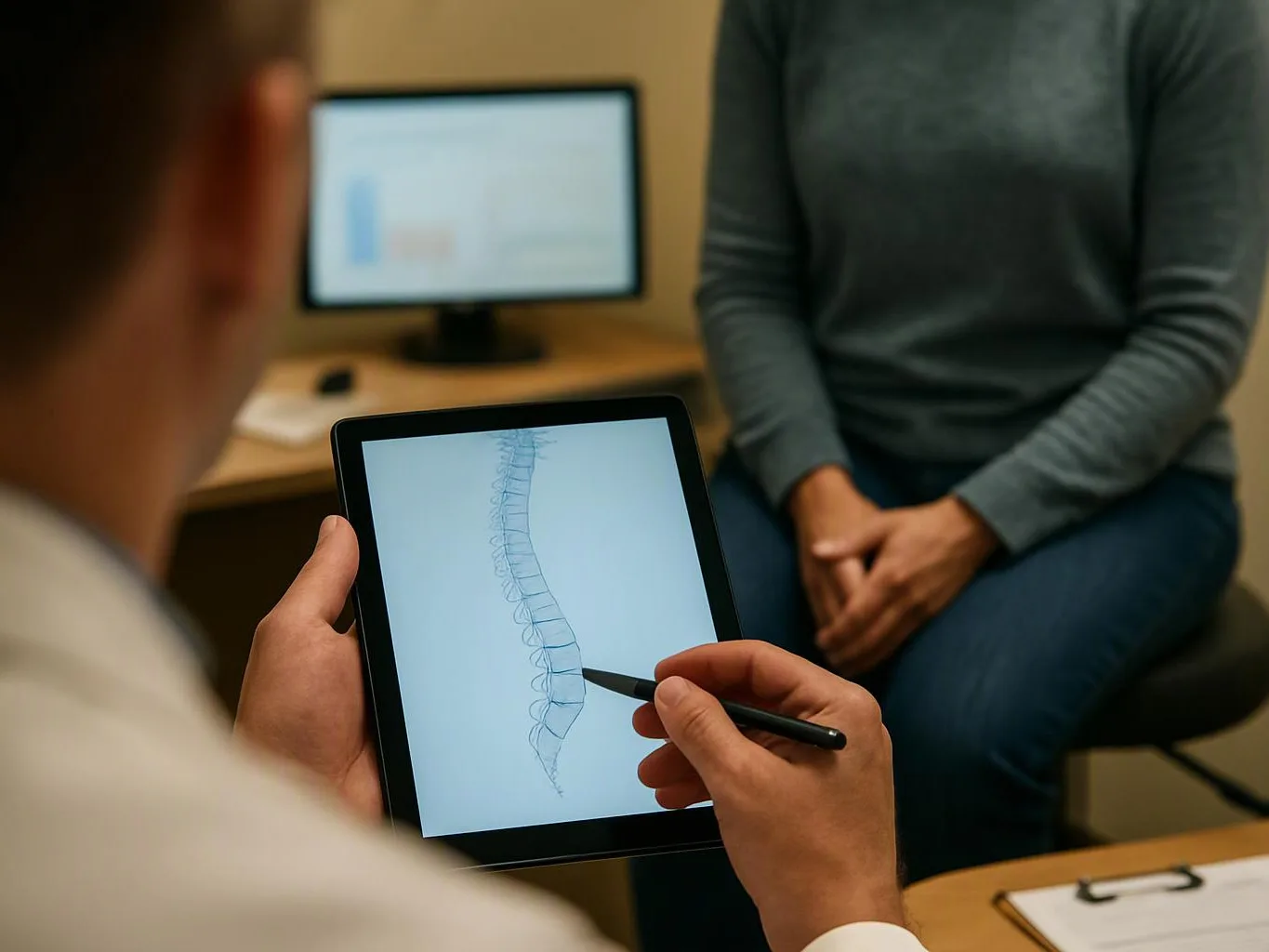
Medical documentation links your reported symptoms to the findings from your examination and the care we recommend. We record conditions such as whiplash, neck pain, back pain, herniated discs, sciatica, headaches, radiculopathy, and soft tissue injuries. The record may include an injury evaluation, treatment plan, procedure note, and follow-up findings. It also explains why a treatment option fits the clinical picture. We focus on accident-related injuries and don't provide general primary care, urgent care, or workers' compensation care. Buyer fit matters. This service suits auto accident patients who need care and a consistent clinical record. During the visit, bring the symptoms that concern you most and describe how they affect work, sleep, movement, or daily tasks.
Medical documentation is a clinical record that describes accident-related symptoms, exam findings, diagnoses, treatments, and follow-up needs.
We document the pain location, symptom pattern, functional limits, and conditions that began or changed after the motor vehicle collision.
We record the examination findings and explain how they support observation, medication guidance, rehabilitation support, or an interventional treatment option.
We add the selected procedure or care step, the reason for it, and the follow-up points that matter for ongoing treatment.
We compare current symptoms with earlier findings and record changes that affect the next stage of care.
Bring information that helps us connect your current symptoms with the motor vehicle collision.
We record clinical findings before linking accident-related symptoms to non-surgical treatment planning when appropriate.
We evaluate crash-related injuries and document the findings that support medical care and follow-up decisions.
We explain diagnostic findings and treatment options clearly before recording the selected path in the medical record.

The staff were very informative. They walked me through the whole process before. I felt very comfortable.

The staff (Tracy) and the medical folks are very nice. They explain everything to you in plain language before you even get started, and once you see doctor (Dr Scott), the assistant (Areyana) is gentle & sweet. They both will walk you through the entire process verbally, as they go and they make sure you are good before you leave as well. Above & beyond when it comes to bedside manner. Just make sure you don't get lost in the Kroger parking lot, listening to GPS. The clinic is inside Arrowhead across the street, behind Subway.

Tracey was great at explaining things and next steps and what to expect. Tony was great as extremely helpful and calming he is Dr.Vyas right hand and letting me know what I needed to do.
Your first deliverable is an injury evaluation that records your current symptoms and clinical findings. Premier Injury Specialists serves Stonecrest from clinics in Stockbridge and Buckhead, with appointments Monday through Friday.

Pain can continue after the first visit, especially when neck, back, or nerve symptoms change over time. Medical documentation needs each new finding and treatment decision, not a repeated copy of the first note. Bring your current symptom changes and prior records to an evaluation so we can update the care plan.
A patient may feel pain but struggle to explain how it affects daily life. Details about sleep, movement, work, numbness, and headaches help us assess the injury and document its effect. Write down the changes you notice before your appointment, then discuss them during the evaluation.
An accident patient may move from evaluation to injections, nerve blocks, or follow-up care. Each step needs a record of the finding, the treatment choice, and the next clinical question. Ask our team how your current records fit the planned care, especially when another medical office or attorney requests documentation.