Review the surgery and accident history
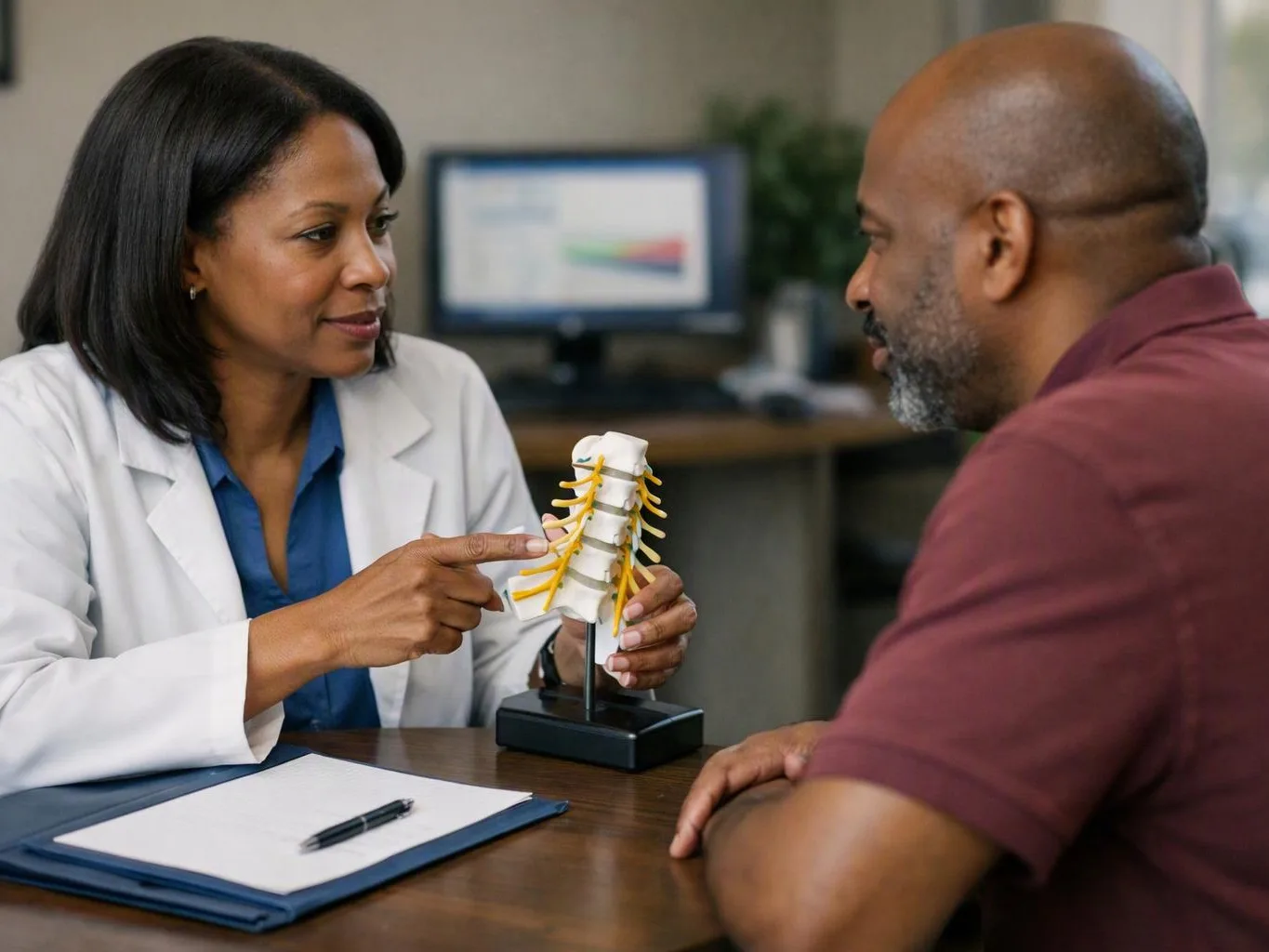
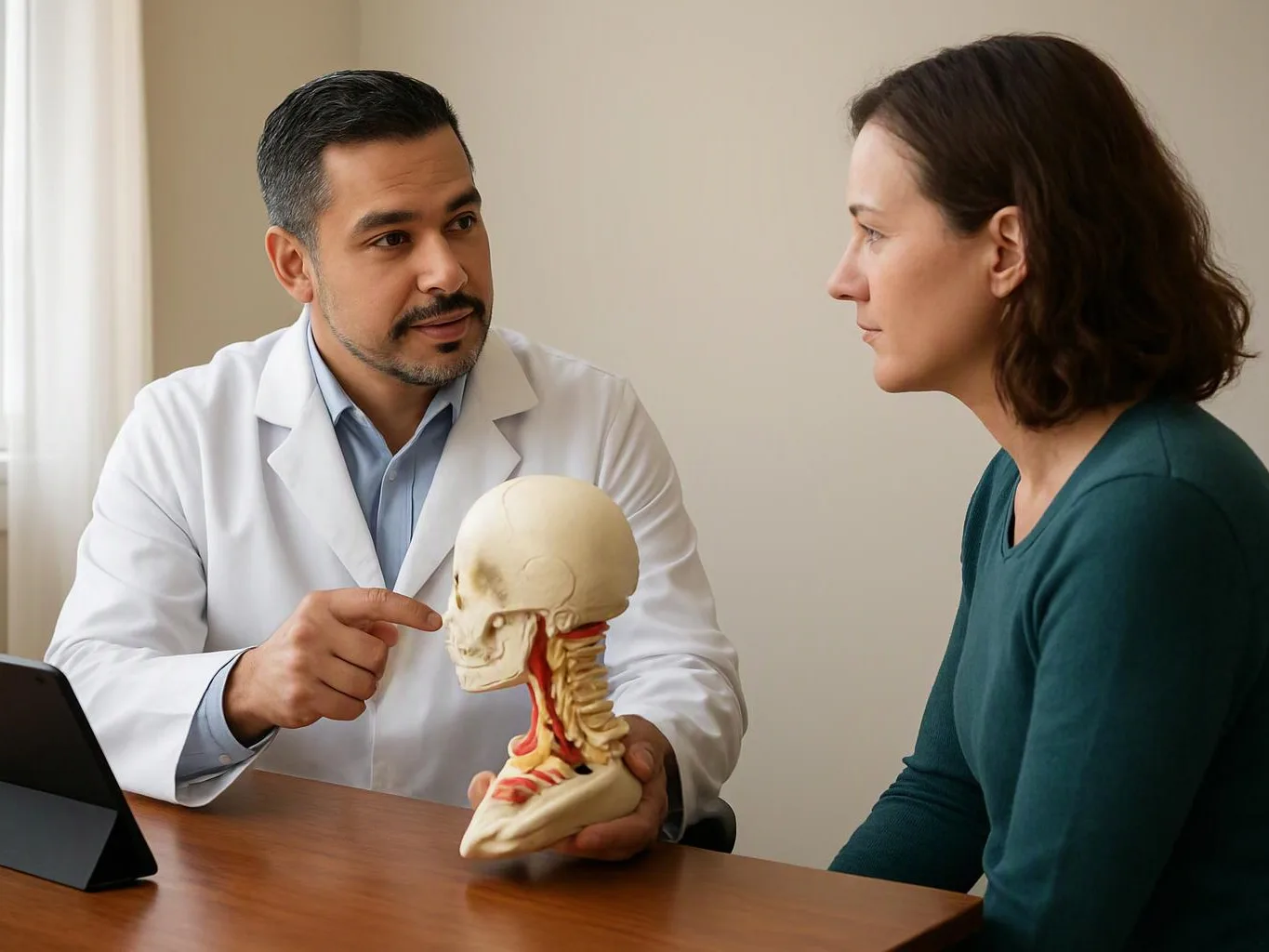
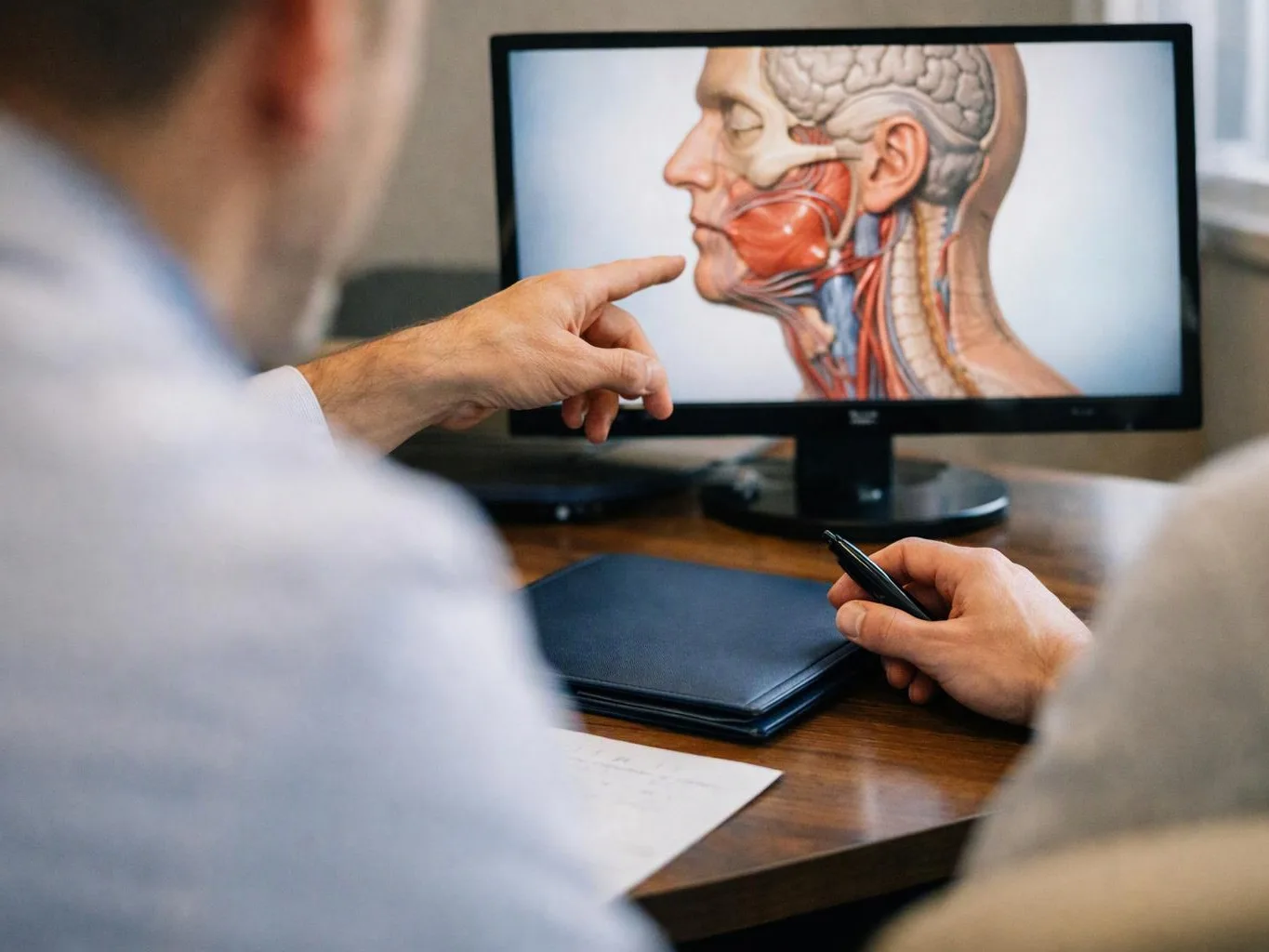
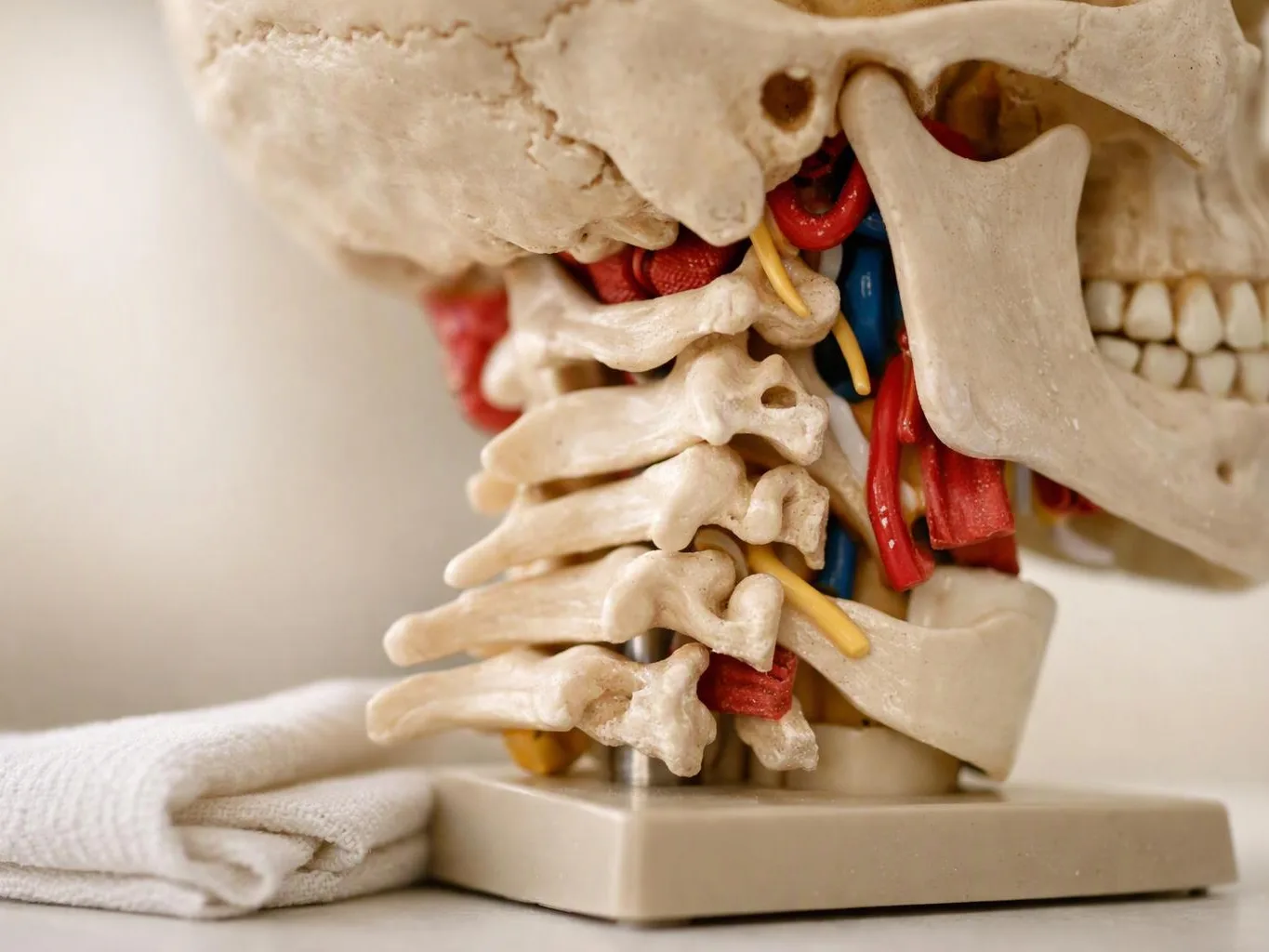
We examine the surgical history, crash details, symptoms, medicines, and available records to identify the pain pattern.
We provide focused care for accident injuries after surgery, with same-day evaluations often available. Free consultations help you discuss pain, treatment options, and next steps.
A clearer link between current symptoms and the surgical history.
Targeted treatment options for nerve, joint, spine, or soft tissue pain.
Medical records that document findings, care, and changes over time.
A pain plan that accounts for movement, sleep, and daily activity.

Post-surgical pain care starts with the symptoms you feel now and the surgery you already had. We review the accident history, medical records, current medicines, and pain pattern before discussing treatment. The plan may include targeted injections, nerve blocks, medication review, or coordinated rehabilitation support. Epidural steroid injections may address nerve-related pain, while facet joint injections and medial branch blocks focus on pain linked to the small joints of the spine. Results vary by injury and procedure. We measure progress through changes in pain, movement, sleep, and daily activity instead of relying on one symptom alone. Our team also documents the findings for medical purposes. This practice does not provide general primary care, urgent care, or workers’ compensation care. We focus on injuries caused by motor vehicle collisions.
Post-Surgical Pain Treatment is a medical service that evaluates and treats pain that continues after surgery.
We examine the surgical history, crash details, symptoms, medicines, and available records to identify the pain pattern.
We assess movement, nerve symptoms, joint pain, and daily limits, then explain what the findings may mean.
The plan may include an epidural steroid injection, facet joint injection, medial branch block, occipital nerve block, radiofrequency ablation, or joint injection when appropriate.
We offer free consultations, explain the recommended treatment, and discuss MedPay or attorney liens for eligible patients.
We compare pain, movement, sleep, and daily activity at follow-up visits so the plan can respond to your progress.
Bring records that help us connect your current symptoms with the surgery and motor vehicle collision.
We use the surgical history, symptom pattern, and examination findings to plan non-surgical care when clinically appropriate.
We explain diagnostic findings, procedure choices, and follow-up needs before proceeding with post-surgical pain treatment.
We provide injections and nerve blocks when the patient’s findings support an interventional approach to accident-related pain.

It was my first experience getting a surgerical procedure done and they was open and transparent, and that's what makes me feel comfortable I feel good and the day after like they told me.

I had an amazing experience. The staff was super friendly and helpful and everything the doctor said I would feel and experience I did and they was right there every step of the way making sure I was okay and the nurse is so supportive from beginning to recovery… I definitely recommend this facility

Procedure went great loved how they talked me thru it and were upfront about how it will go.
Get a documented treatment plan for accident-related pain after surgery. Premier Injury Specialists offers free consultations for Stonecrest patients through our Metro Atlanta clinics.

Pain can return after the first phase of surgical recovery, especially when a nerve, joint, or disc remains irritated. The pattern matters more than a single pain score because movement, sleep, and leg or arm symptoms help guide care. Bring your surgical records and describe what changed. We’ll compare those details with the accident injury findings.
Pain that moves into an arm, leg, or the back may point to nerve or spine involvement. A focused exam helps separate radiating pain from soreness near the surgical site. Patients in Stonecrest can request an evaluation through our Metro Atlanta clinics. Bring imaging reports, medicine details, and a list of movements that trigger symptoms.
Some patients need help comparing an injection, nerve block, or follow-up plan after surgery. The right choice depends on the pain source, medical history, and clinical findings. We explain those factors before proceeding, including possible next steps and documentation needs. A free consultation gives you space to discuss the plan before treatment.