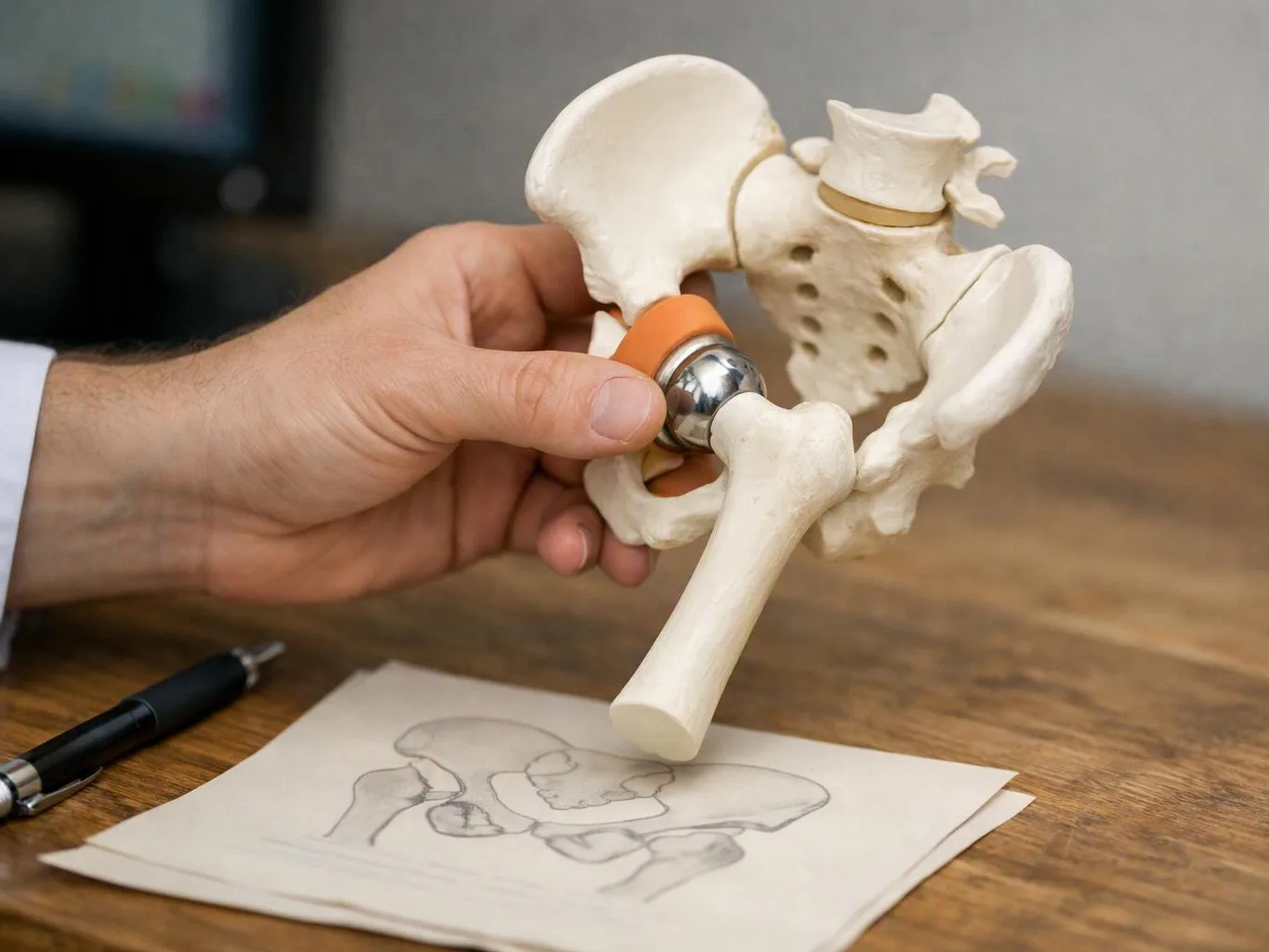
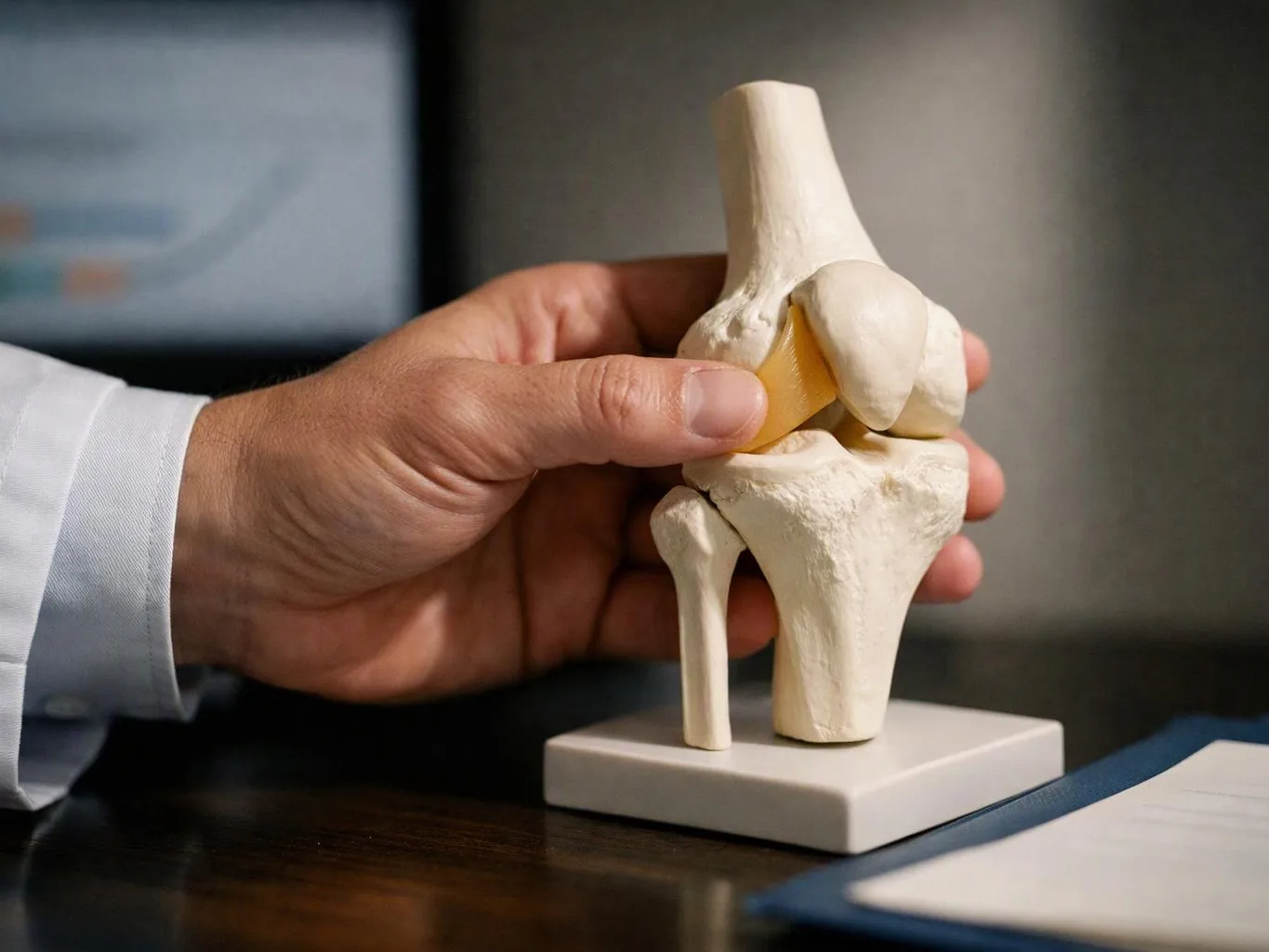
How is hip pain diagnosed during an evaluation for Hip Pain Treatment?
Ultrasound imaging can support the hip pain evaluation, while the physician also checks movement, strength, tenderness, and related symptoms. The review may include available X-rays or MRI scans. Premier Injury Specialists connects these findings with the accident history before discussing targeted treatment. Patients receive an explanation of what the findings mean and which next step fits the documented injury.
For Hip Pain Treatment, what should I bring to my first appointment?
Accident details, medical records, imaging reports, and a list of current medicines help the first visit. Patients should also note when pain began, where it travels, and which movements make it worse. Our team reviews the information with the examination, then explains what further assessment or treatment may be appropriate.
Which treatments might address hip pain after a collision?
Targeted injections may address pain when the examination supports a specific source. Options can include joint injections, epidural steroid injections, facet joint injections, or medial branch blocks. Radiofrequency ablation and other procedures may fit selected findings. The physician explains suitability, risks, and next steps before any procedure is chosen.
Can MedPay or an attorney lien help with visit costs for Hip Pain Treatment?
Eligible patients may use MedPay or an attorney lien for accident-related care. Coverage and eligibility depend on the patient’s situation and available claim details. Our staff discusses the payment arrangement during the consultation, so patients understand what applies before treatment begins. The practice does not provide general primary care or workers’ compensation care.
Why can hip pain continue after the first visit?
Hip pain can continue when the injury involves connected muscles, joints, nerves, or the lower back. The first assessment may identify which findings need closer review or targeted care. Patients should report changes in pain, movement, weakness, or leg symptoms. Our team uses that information to guide follow-up and update the treatment plan.
What changes the treatment plan for a hip injury?
The injury pattern, examination findings, available records, and response to prior care shape the treatment plan. A physician may focus on the hip joint, spinal nerves, facet joints, or nearby soft tissue. Patients should confirm which body area the proposed procedure targets and how the findings support it before agreeing to treatment.
When should Riverdale patients request an evaluation?
Patients should request an evaluation when crash-related hip pain limits movement, continues after the collision, or travels into the back or leg. The visit helps document the injury and assess suitable care. Same-day evaluations are often available, and appointments are offered Monday through Friday through the Metro Atlanta practice.