Skip to content

Dorsal Root Ganglion Stimulation in Candler-McAfee

Nerve injury can worsen pain after a crash in Candler-McAfee. We assess dorsal root ganglion stimulation as part of focused care for accident injuries.

4.9 · 119 ReviewsUpfront, Transparent PricingServing 12 CommunitiesMon-Fri: 8 am–6 pm, Sat-Sun: Closed

Quick Summary: Targeted nerve stimulation in Candler-McAfee, Georgia

Dorsal Root Ganglion Stimulation in Candler-McAfee is provided by Premier Injury Specialists for auto accident patients with persistent nerve-related pain. The coordinated practice offers injury evaluations, targeted interventional treatment, and thorough medical documentation across Metro Atlanta.

  • What we do: Premier Injury Specialists provides Dorsal Root Ganglion Stimulation for eligible auto accident patients in Candler-McAfee, Georgia.
  • What is included: Injury evaluation, treatment planning, targeted interventional care, and medical documentation.
  • What you get: The treatment plan identifies whether dorsal root ganglion stimulation fits the patient’s pain pattern and care goals.

Why does nerve pain keep happening after a car accident?

Persistent nerve pain can follow irritated or damaged nerves after a collision. A pain medicine evaluation checks the pain pattern, exam findings, and available records. Burning pain, tingling, numbness, or pain in a focused area can help guide the discussion. Urgent symptoms such as new weakness or loss of bladder control need immediate medical attention.
Our Track Record

Average Rating
4.9
Customer Reviews
119

Dorsal Root Ganglion Stimulation in Candler-McAfee for focused accident pain

Dorsal root ganglion stimulation is considered when pain remains focused, persistent, and difficult to manage after an auto accident. The decision rests on your symptoms, physical exam, records, and prior treatment.

Customers often want to know whether stimulation fits their pain pattern or whether another injection makes more sense. We explain that choice during an injury evaluation, then build a physician-led plan around the findings.

This page serves a specific need in Candler-McAfee. It helps accident patients weigh a specialized nerve stimulation option, its possible risks, and the records needed for a careful medical discussion.

  • Bring available medical records, imaging reports, and information about prior accident treatment.
  • Describe where the pain starts, where it travels, and what makes it worse.
  • Ask how stimulation compares with injections or other interventional treatments.
  • Discuss device-related risks, follow-up needs, and other suitable care options.
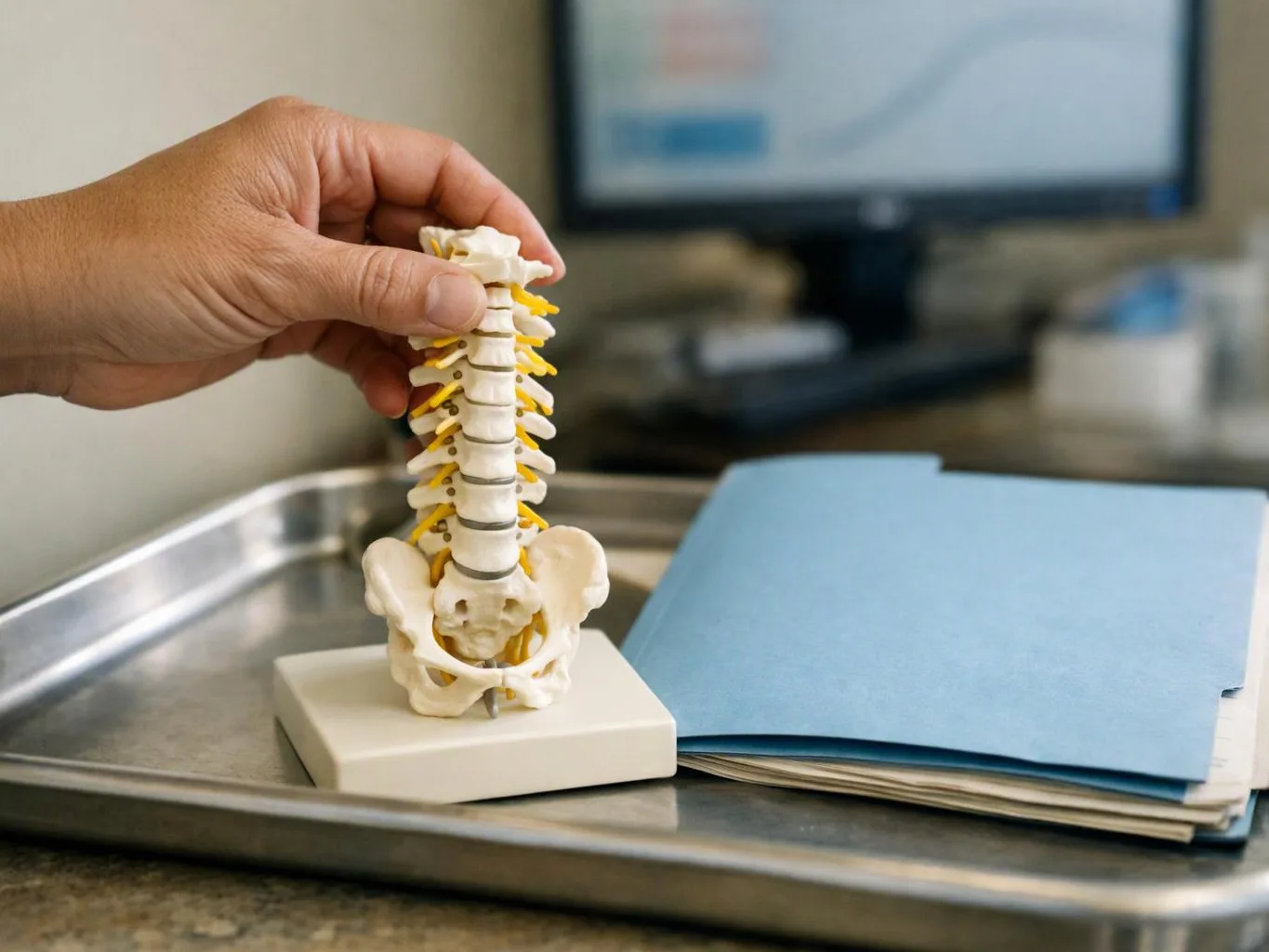
A hand holds a small spine model on a tray beside a blue folder and computer screen

Service Overview

Dorsal Root Ganglion Stimulation is a treatment that uses mild electrical signals near a sensory nerve structure to help manage focused pain.

  • Unlike an epidural steroid injection, it uses stimulation rather than medicine delivered into the epidural space.
  • Premier Injury Specialists provides this service to suitable auto accident patients in Candler-McAfee through its Metro Atlanta practice.

What patients may gain from a focused stimulation plan

A focused evaluation connects the pain pattern with the treatment decision.

The plan may provide targeted pain relief when other care has not addressed the problem.

Patients receive a plain-language explanation of the procedure and its risks.

A coordinated record can help document how the crash relates to ongoing treatment.

The treatment discussion keeps accident-related care with one physician-led practice.

What this stimulation treatment includes

Premier Injury Specialists provides comprehensive Dorsal Root Ganglion Stimulation in Candler-McAfee. Here's what you get:

  • A focused review of accident-related symptoms and the affected pain pattern.
  • A physical medicine and pain medicine evaluation before treatment planning.
  • A review of available medical records and prior treatment.
  • An explanation of how stimulation differs from injections and nerve blocks.
  • Discussion of possible risks, including lead displacement, hardware irritation, and infection.
  • Thorough medical documentation for the injury and planned care.
Process

Steps for discussing and planning stimulation treatment

1

Review the accident pain pattern

We document where the pain occurs, how it feels, and how it affects daily activity.

2

Complete the medical evaluation

A physician examines the patient and reviews available records, imaging reports, and prior treatment.

3

Compare suitable treatment options

We explain how stimulation compares with injections, nerve blocks, and other interventional care.

4

Discuss device-related risks

The consultation covers lead displacement, hardware irritation, infection risk, and other questions about the procedure.

5

Set the treatment plan

The physician documents the recommended plan, follow-up needs, and any reason to choose another option.

A client scenario this service addresses

A person in Candler-McAfee with persistent, focused pain after a vehicle collision may want stimulation before understanding the risks. We review the records and pain pattern first, then explain whether this option belongs in the treatment discussion.

Why this treatment decision needs focused medical review

Match the pain pattern

Patients need a pain pattern that fits the treatment discussion. We review symptoms and exam findings before recommending a plan, and we do not treat every pain complaint with stimulation.

Compare treatment paths

An epidural steroid injection, facet joint injection, nerve block, or radiofrequency ablation may fit a different pain source. We explain the distinctions so patients can weigh their options.

Plan around documented findings

Medical records help connect symptoms, examination findings, and prior care. Our board-certified pain management physicians use that information to shape a personalized treatment plan.

Know when it is not the right fit

This service may be the wrong choice when the pain source has not been assessed or another condition needs attention first. We address that limit during the evaluation.

How stimulation differs from other interventional treatments

These options address different pain sources and use different treatment methods.

Treatment optionMain methodDecision point
Dorsal root ganglion stimulationElectrical signals near a sensory nerve structureConsidered for a focused pain pattern after medical review
Epidural steroid injectionMedication delivered near the epidural spaceConsidered when the suspected pain source fits that injection
Facet joint injectionMedication delivered to a facet jointConsidered when the facet joint may contribute to pain
Radiofrequency ablationHeat applied to selected nerve tissueConsidered for certain diagnosed pain patterns

The Premier Injury Specialists Standard

  • Evidence-Based Planning
  • Qualified Clinical Care
  • Clear Treatment Explanations
  • Coordinated Support

Customer Reviews for Dorsal Root Ganglion Stimulation in Candler-McAfee

4.9(119 Customer Reviews)View our Google Business Profile
London
London
6 months ago
Verified on Google
The Premier injury specialists were very kind, professional and thorough in their process to give me treatment. I would certainly recommend anyone to seek their services for pain management.
marcus mccann
marcus mccann
a year ago
Verified on Google
Phenomenal absolutely Phenomenal experience great friendly and knowledgeable staff, I went 3 times and I loved the treatment highly recommend any one to go....thanks guys im 100% better
Paula McPhail
Paula McPhail
5 months ago
Verified on Google
I frlt very relaxed and comforted about the procedure. Dr. Vyas and staff were intuitive in asking questions and based devision on what he thought was factual. They gave me excellent care.

Questions patients ask about stimulation risks and care

Prior to the appointment, what risks are associated with dorsal root ganglion stimulation from the first walkthrough onward?

Nerve injury is a serious concern, but the main risks include lead displacement, hardware irritation, infection, bleeding, and changes in pain. Premier Injury Specialists reviews these risks before treatment. Patients should report worsening pain, redness, drainage, fever, new weakness, or other concerning changes promptly. Individual risks depend on the person’s health and treatment plan.

How does a physician decide if this treatment fits my pain?

Pain pattern, examination findings, records, and prior treatment guide the fit decision. We look for focused symptoms that match the treatment area and discuss other options when they may suit the problem better. A consultation also gives patients time to ask about risks, follow-up, and what the plan involves before they decide.

Which records should I bring to the first visit for Dorsal Root Ganglion Stimulation?

Medical records, imaging reports, medication information, and prior treatment notes help the physician assess the case. An accident report can also help explain the injury history, but patients should bring the records they already have. We review the information with the symptom history and identify any details needed for treatment planning.

Can MedPay or an attorney lien help with accident care?

MedPay or an attorney lien may help eligible patients receive accident-related care without an out-of-pocket payment at the visit. Coverage depends on the individual case and available arrangements. Our coordinated practice discusses the paperwork and treatment plan during the consultation, so patients understand the next step before care proceeds.

Why might an injection be discussed instead of stimulation?

An injection may fit better when medication near a specific structure matches the suspected pain source. Epidural steroid injections, facet joint injections, and nerve blocks address different areas and goals. We compare those options with stimulation after reviewing the examination and records. The final plan should match the documented pain pattern.

When should new symptoms after treatment be reported?

New weakness, fever, drainage, spreading redness, severe swelling, or sharply worsening pain deserves prompt medical attention. Patients should follow the care instructions given for their treatment and report concerns to the medical team. Severe or rapidly worsening symptoms may require urgent evaluation, especially when they affect movement or bladder control.
Contact

Discuss stimulation risks in Candler-McAfee

Are you weighing dorsal root ganglion stimulation after an auto accident? Contact Premier Injury Specialists to discuss your symptoms, records, treatment options, and free consultation availability.

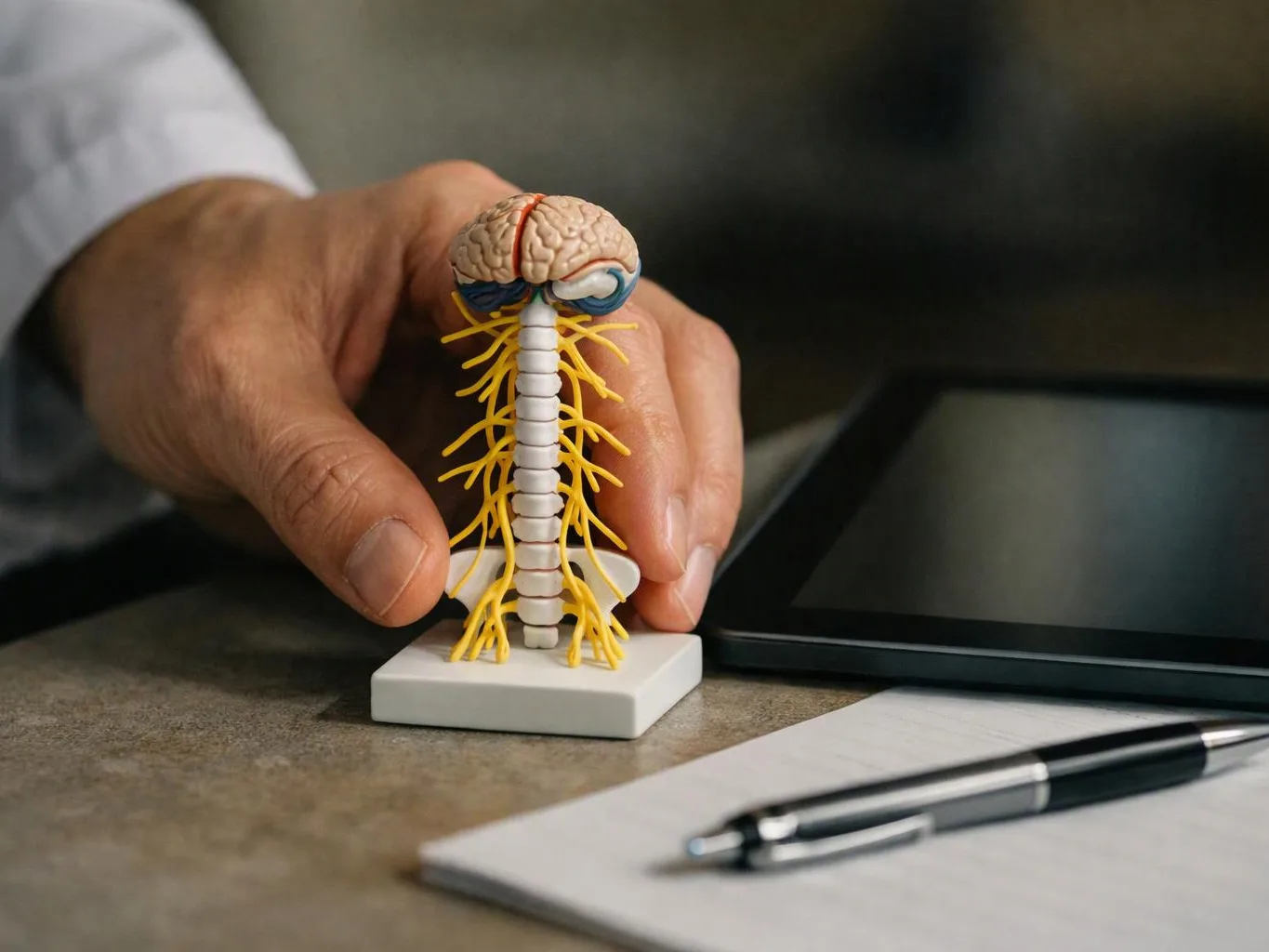
A hand holds a small brain and spinal cord model beside a tablet and pen on a desk

Dorsal Root Ganglion Stimulation in Other Areas

(478) 607-6106