Review the accident-related pain pattern
We document where pain starts, where it travels, and how symptoms affect movement, sleep, and daily activity.
We provide focused care for accident injuries through targeted pain treatment and medical review. Same-day evaluations are often available for patients across the area.
The evaluation links a focused pain pattern to the wider accident injury record.
Treatment planning gives you a specific discussion about nerve-targeted care and other options.
Medical documentation records findings, treatment decisions, and follow-up needs in one practice.
Dorsal root ganglion stimulation focuses on nerve signals linked to a defined pain area. It may be discussed when an accident patient has persistent, localized nerve pain and other findings need closer review. Our physicians start with an injury evaluation. They review symptoms, records, and the effect of pain on daily activity. The discussion then covers treatment choices, clinical fit, and what follow-up could involve. This service is not general primary care or urgent care. We focus on motor vehicle collision injuries, including radiculopathy, sciatica, herniated discs, headaches, and soft tissue conditions. Individual results vary, and treatment decisions depend on clinical findings.
Dorsal Root Ganglion Stimulation is a neuromodulation treatment that targets pain signals near selected spinal nerve roots.
We document where pain starts, where it travels, and how symptoms affect movement, sleep, and daily activity.
Our physicians review the examination, available records, and prior treatment to decide whether nerve-focused stimulation belongs in the plan.
We discuss the proposed approach, possible alternatives, and questions about risks before any procedure is considered.
We record the findings and plan, then coordinate related rehabilitation or behavioral-health support when appropriate.
Bring information that helps us connect your current pain with the motor vehicle collision.
We use clinical findings and accident-related records to guide non-surgical treatment planning when targeted stimulation is appropriate.
We provide the consultation through board-certified physicians or qualified advanced practice clinicians involved in the patient’s care.
We explain the pain findings, treatment choices, and questions to consider before targeted nerve stimulation proceeds.

I frlt very relaxed and comforted about the procedure. Dr. Vyas and staff were intuitive in asking questions and based devision on what he thought was factual. They gave me excellent care.

The Premier injury specialists were very kind, professional and thorough in their process to give me treatment. I would certainly recommend anyone to seek their services for pain management.

Phenomenal absolutely Phenomenal experience great friendly and knowledgeable staff, I went 3 times and I loved the treatment highly recommend any one to go....thanks guys im 100% better
Premier Injury Specialists can review your accident-related pain, records, and treatment question. In the first days after you reach out, our team can discuss the consultation process, available appointment hours, and documents to gather.
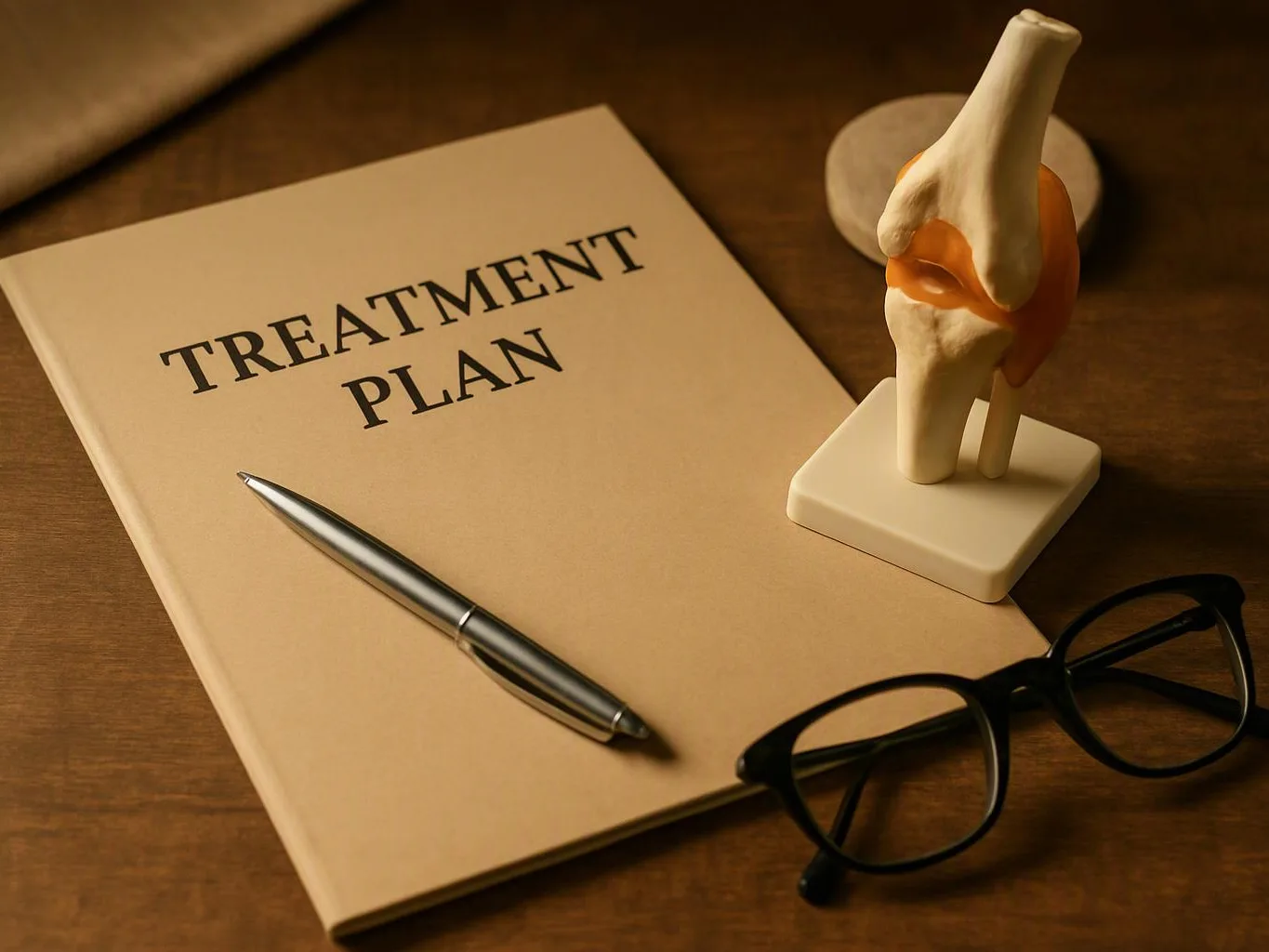
Pain that stays in a small limb area after a crash can raise questions about a specific nerve pathway. The pain pattern, examination, and prior records matter before targeted stimulation is discussed. Bring available reports and note what worsens the symptoms. We’ll use the consultation to explain whether this treatment belongs in your care plan.
A patient may have pain that returns after injections or other care, but the reason still needs review. Dorsal root ganglion stimulation requires a careful look at symptoms and accident-related findings. Our physicians compare the record with your current concerns. That review helps separate a nerve-focused question from another treatment need.
Some patients worry they’ll face a procedure before they understand the plan. The first visit centers on evaluation, records, and treatment choices, not rushed decisions. We explain the findings in plain language and answer questions about fit. Patients can also ask about medical documentation and coordinated follow-up before proceeding.