Which treatments may help manage complex regional pain syndrome for Complex Regional Pain Syndrome Treatment?
Nerve blocks may help manage complex regional pain syndrome when the examination supports their use. Other options can include physical therapy, pain medication, desensitization therapy, spinal stimulation discussion, and targeted injections. The physician matches treatment to the pain pattern, exam findings, and prior care. Results vary, so the plan is reviewed as treatment continues.
Who provides this accident-related pain treatment?
Premier Injury Specialists provides this care through board-certified physicians in Physical Medicine and Rehabilitation and Pain Medicine. A certified physician assistant also supports coordinated treatment. The practice focuses on motor vehicle collision injuries, including nerve pain, whiplash, back pain, radiculopathy, and related conditions. General primary care and workers’ compensation care are outside this service.
What happens during the first appointment for Complex Regional Pain Syndrome Treatment?
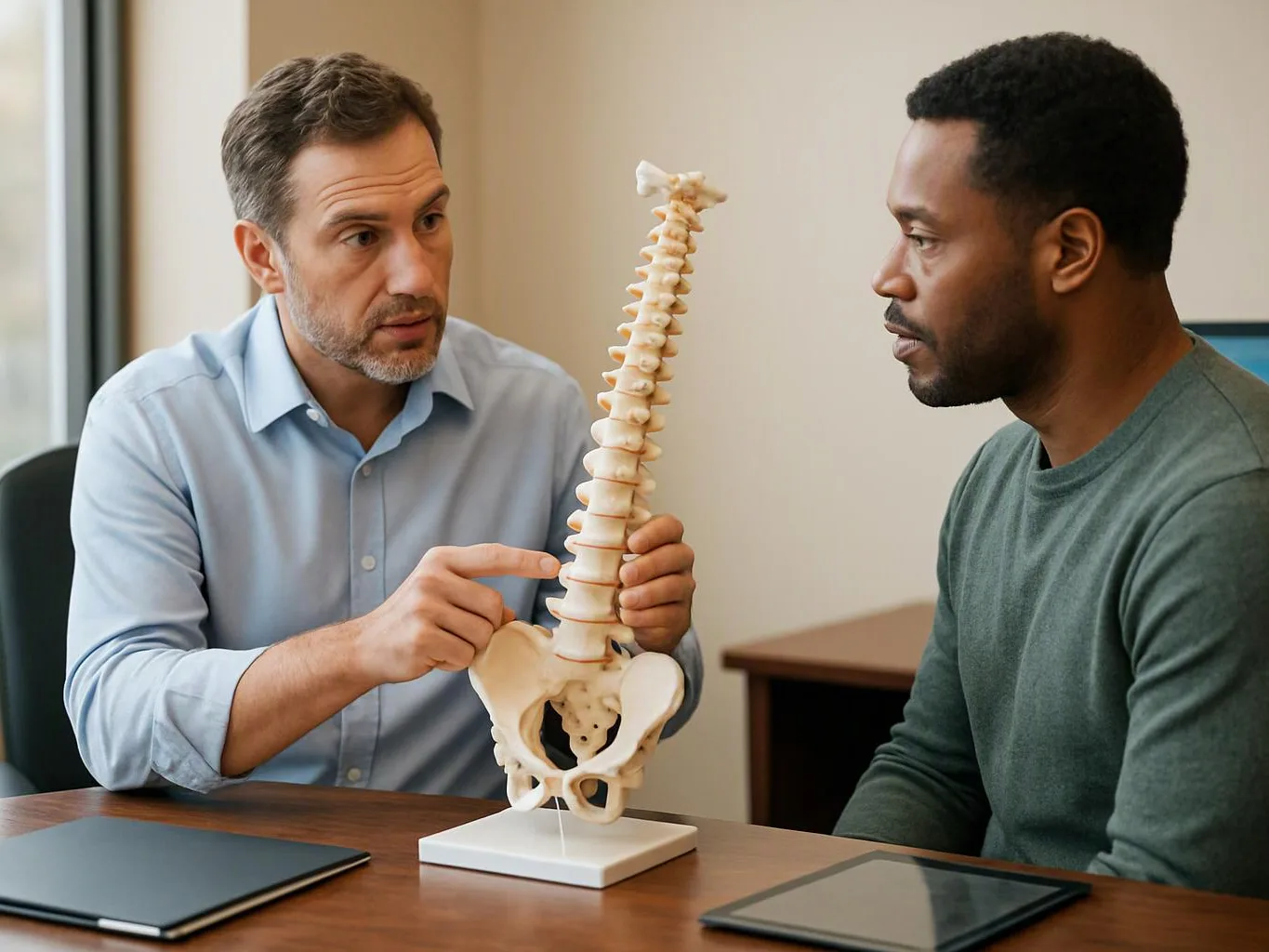
The first appointment includes an injury history, symptom review, physical examination, and treatment discussion. Patients should bring available imaging reports, medical records, and accident information. The physician checks sensitivity, swelling, movement, and nerve findings. The visit also helps identify what documentation and follow-up care the injury requires.
How do physicians decide whether an injection fits?
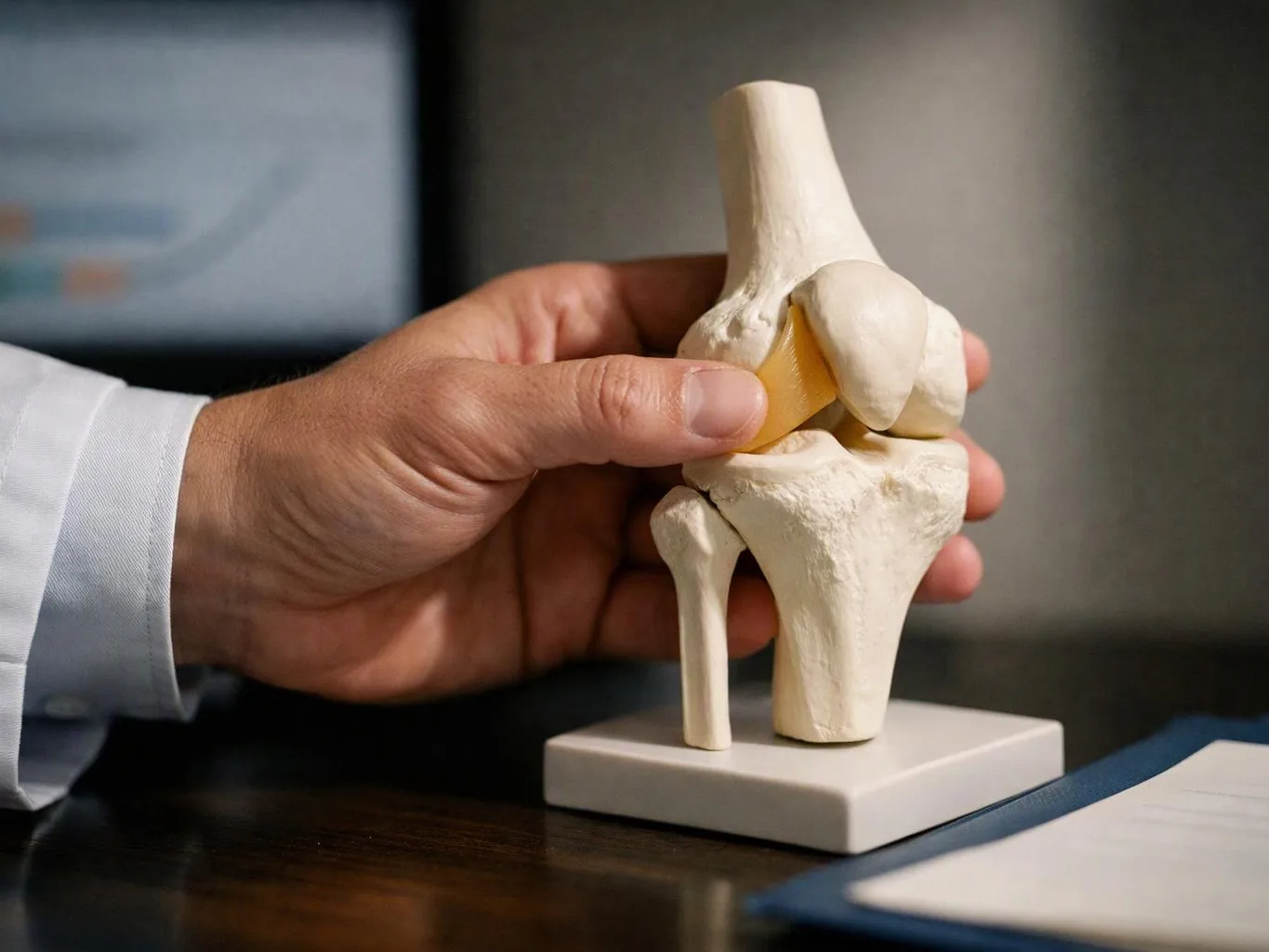
Injection decisions follow the examination, pain location, medical history, and available records. The physician explains the purpose of the proposed procedure and discusses other care options. Epidural steroid injections, facet joint injections, medial branch blocks, occipital nerve blocks, radiofrequency ablation, and joint injections address different pain patterns.
Can I receive care without paying at the visit for Complex Regional Pain Syndrome Treatment?
Eligible patients may receive care through MedPay or an attorney lien without an out-of-pocket payment at the visit. Eligibility and arrangements depend on the patient’s case and coverage. The practice discusses these options during intake, while the medical plan remains based on the examination and injury.
When should I ask about a treatment plan after an accident?
Patients should ask for an evaluation when pain persists, changes, or limits normal movement after a collision. Worsening swelling, marked sensitivity, or skin changes also warrant medical attention. Same-day evaluations are often available, but appointment availability depends on the clinic schedule. Call the practice to discuss the next step.
Why is medical documentation important for these injuries?
Medical documentation records the accident history, symptoms, examination findings, treatment, and follow-up needs. That record helps keep care coordinated and may support eligible MedPay or attorney lien arrangements. Patients should share prior records when available, because earlier findings can help connect the current pain pattern to the collision.