Skip to content

Complex Regional Pain Syndrome Treatment in Stonecrest, Georgia

We provide focused care for accident injuries that include complex regional pain syndrome. Our team reviews your symptoms and builds a treatment plan around your documented injury.

4.9 · 119 ReviewsUpfront, Transparent PricingServing 12 CommunitiesMon-Fri: 8 am–6 pm, Sat-Sun: Closed
Complex regional pain syndrome treatment helps auto accident patients in Stonecrest manage pain, sensitivity, swelling, and movement limits. Premier Injury Specialists starts with an injury evaluation and reviews how symptoms affect daily activities. We explain the findings before treatment begins. Depending on your assessment, care may include targeted injections, nerve blocks, or other interventional pain procedures.

Our Track Record

Average Rating
4.9
Customer Reviews
119

What patients want from treatment for nerve-related accident pain

A focused assessment connects unusual pain symptoms with the accident history.

Targeted procedures may address a specific pain source when clinically appropriate.

Thorough medical documentation records symptoms, findings, and treatment decisions.

A coordinated plan keeps evaluation, procedures, and follow-up in one practice.
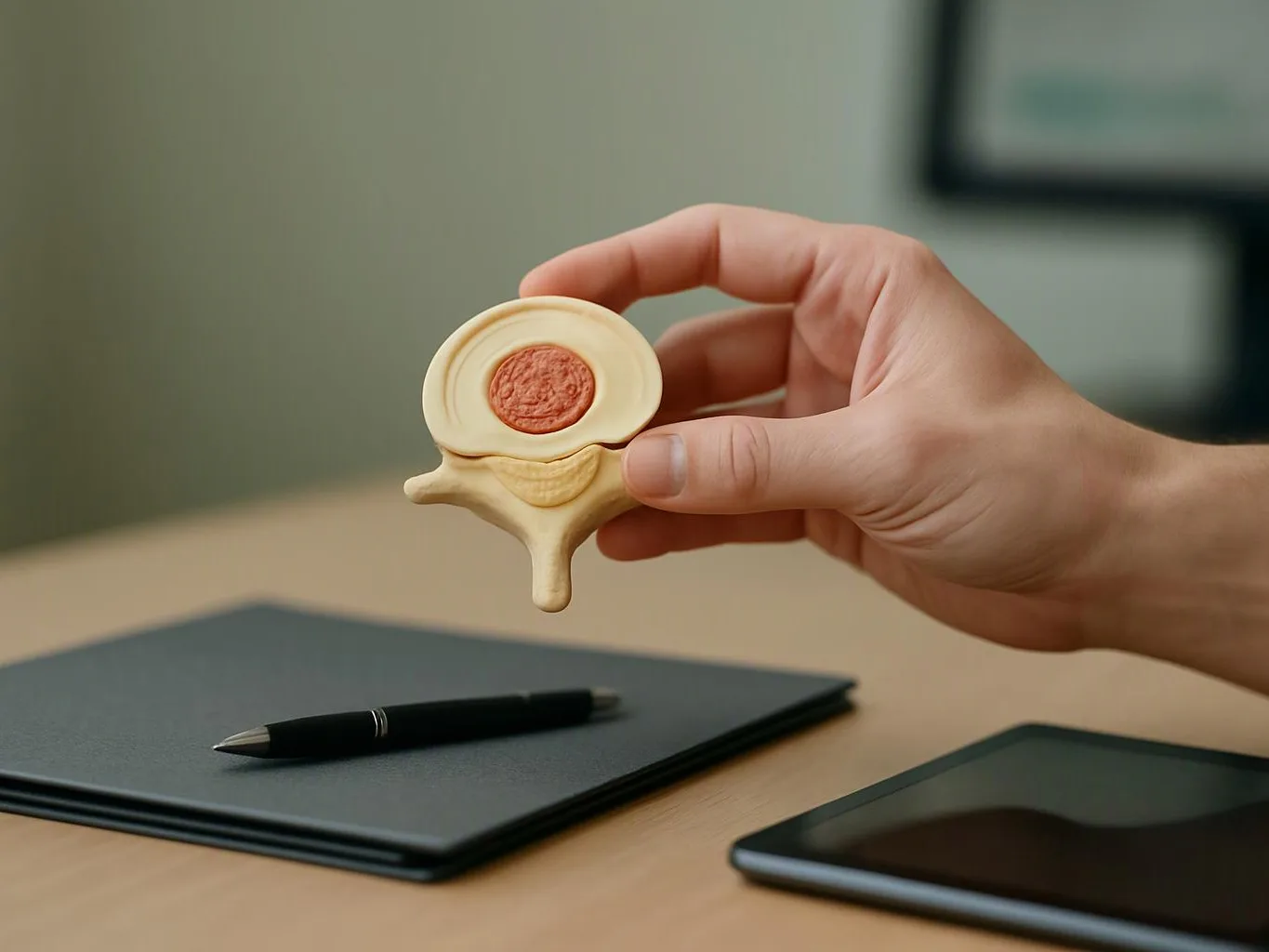
A hand holds a small spine model over a desk with a notebook, pen, and tablet
About

What complex regional pain care covers after a crash

Complex regional pain syndrome can affect how the nervous system processes pain after an injury. Symptoms may include burning pain, touch sensitivity, swelling, stiffness, and changes in limb use. Our evaluation connects the symptom pattern with the motor vehicle collision and the body area involved. We also document findings for medical purposes, which helps keep the treatment plan tied to the injury record. The right plan depends on the exam, pain pattern, and treatment goals. Our approach may include medication discussion, injections, nerve blocks, or coordinated rehabilitation support when appropriate. We don't promise one procedure will fit every patient. Our team gives extra attention to signs that treatment isn't moving in the right direction. Rising pain, worsening movement limits, or new skin changes call for reassessment. We adjust the plan when the clinical picture changes.

What Complex Regional Pain Syndrome Treatment Covers

Complex regional pain syndrome treatment is medical care that evaluates nerve-related pain and reduces its effect on movement and daily function.

  • It differs from routine muscle-strain care because treatment planning considers abnormal pain sensitivity, swelling, and changes in limb function.
  • Stonecrest patients receive this service through our Metro Atlanta injury practice, with clinics in Stockbridge and Buckhead.

What to prepare before your pain consultation

Bring information that helps us connect your symptoms with the motor vehicle collision.

  • A list of current medicines and known medication reactions.
  • Records from emergency care, imaging, or earlier injury visits.
  • A short description of when pain, swelling, or sensitivity began.
  • Notes about movement limits, sleep problems, and daily tasks affected.
  • Your accident claim details, MedPay information, or attorney lien contact.
Process

How we plan care for complex regional pain symptoms

1

Review the accident and symptom pattern

We discuss how the injury happened, where pain occurs, and whether touch, swelling, or movement changes affect daily life.

2

Complete an injury-focused examination

Our physicians assess pain behavior, sensitivity, limb function, and related findings before selecting a treatment path.

3

Match treatment to the findings

The plan may include targeted injections, epidural steroid injections, facet joint injections, medial branch blocks, or nerve blocks when appropriate.

4

Review progress and warning signs

We discuss changes that matter after treatment and decide whether follow-up, rehabilitation support, or a different intervention fits the next stage.

The Premier Injury Specialists Standard

Evidence-Based Planning

We use documented symptoms and examination findings to guide non-surgical treatment planning when clinically appropriate.

Interventional Procedures

We consider injections and nerve blocks only when the injury findings support an interventional pain procedure.

Injury Evaluation

We evaluate accident-related symptoms and record pain, sensitivity, swelling, and movement findings for medical purposes.

Customer Reviews for Complex Regional Pain Syndrome Treatment in Stonecrest

4.9(119 Customer Reviews)View our Google Business Profile
Shannon Lee
Shannon Lee
11 months ago
Verified on Google
Premier injury specialist they are very helpful and they really care about their patience . And they are very professional and they really get the job done they know what they are doing if I could give them a 1,000 star I would. Miss Tracy was a very sweetheart she really do care about the patience
London
London
6 months ago
Verified on Google
The Premier injury specialists were very kind, professional and thorough in their process to give me treatment. I would certainly recommend anyone to seek their services for pain management.
Keviie lee
Keviie lee
a year ago
Verified on Google
Premier took great care of me ! The staff was professional and knowledgeable and I appreciate how they handled me . The facility is clean and tranquil.I would definitely come back ! I recommend to anyone !

Questions about complex regional pain syndrome treatment

What type of doctor treats complex regional pain syndrome after a car accident?

Premier Injury Specialists provides complex regional pain syndrome treatment through board-certified pain management physicians. Our team evaluates accident-related nerve pain, movement limits, swelling, and sensitivity. We explain the findings before discussing injections, nerve blocks, or other treatment options. A certified physician assistant also supports care through the coordinated practice.

How does the first evaluation for these symptoms work?

The first evaluation connects your accident history with your current symptoms and physical findings. We ask when pain began and assess sensitivity, swelling, movement, and function. Bring imaging or prior medical records if you have them. We then explain the treatment choices that fit the documented injury.

What changes the cost of treatment for complex regional pain syndrome?

Treatment cost depends on the evaluation, selected procedure, medical records, and care needs. We don't publish a business price in advance because those choices follow the clinical findings. Eligible patients may use MedPay or attorney liens, which can avoid an out-of-pocket payment at the visit. Ask about your options during scheduling.

Can injections or nerve blocks help with these symptoms?

Injections or nerve blocks may help manage selected pain sources when the examination supports them. Available procedures include epidural steroid injections, facet joint injections, medial branch blocks, occipital nerve blocks, and joint injections. Our physicians explain the purpose and risks before proceeding. Results vary, so follow-up findings guide the next step.

Can I get a same-day evaluation after a collision?

Same-day evaluations are often available for accident-related injuries. Appointment access depends on the schedule and the information needed for your visit. Tell us that you have persistent burning pain, touch sensitivity, swelling, or movement limits after a collision. Our team can then direct the appointment request to the right evaluation.

Should I keep exercising a painful limb with possible CRPS?

Exercise should match your symptoms and medical plan, especially when movement causes marked pain or swelling. Gentle activity may be discussed, but forcing painful motion can worsen distress and limit participation. Our physicians review function during the evaluation and can coordinate rehabilitation support when it fits your care plan.

Key Points About Complex Regional Pain Syndrome Treatment

  • Burning pain and touch sensitivity deserve an injury-focused medical assessment.
  • Swelling and movement loss can affect the treatment plan.
  • Procedures target different nerves, joints, or spinal areas.
  • We explain treatment choices before an injection or nerve block.
  • Follow-up matters when pain or function changes.
Contact

Discuss complex regional pain symptoms in Stonecrest

Get a focused evaluation, documented findings, and a treatment plan for accident-related nerve pain. Premier Injury Specialists serves Stonecrest through our Metro Atlanta clinics, and same-day evaluations are often available.

A treatment plan booklet sits on a desk beside a pen, eyeglasses, and a knee joint model
Scenarios

When Customers Call Us About Complex Regional Pain Syndrome Treatment

1

Burning Pain After Impact

Burning pain can continue after the first injury seems to settle, especially when touch or movement becomes hard to tolerate. The exam should connect the pain pattern with the crash and check for swelling, sensitivity, and loss of function. Write down when each symptom began, then schedule an injury evaluation through our Metro Atlanta practice.

2

Swelling And Movement Changes

A swollen limb with stiffness can make walking, reaching, or routine tasks difficult after a collision. Treatment planning must account for function, not pain alone, because movement limits can change the care plan. Bring prior records and a list of current medicines so our physicians can review the full picture.

3

Concern About A Nerve Block

Some patients feel uneasy about injections or nerve blocks, especially when pain has already made daily life difficult. Our team explains why a procedure is being considered, what the visit involves, and which concerns require follow-up. Ask questions during the consultation so the plan reflects your symptoms and comfort level.

Our Other Services

Auto Accident Injury EvaluationAfter a collision, neck stiffness or back pain can worsen while insurance questions pile up. Our physicians examine whiplash, herniated discs and nerve symptoms, then create a treatment plan and medical record for your recovery.
Epidural Steroid InjectionsLeg pain from an irritated spinal nerve can make walking and sitting difficult. An epidural steroid injection places medicine near the affected nerve root, helping reduce inflammation from sciatica or a herniated disc.
Facet Joint InjectionsPain with standing, twisting or arching your back may come from irritated facet joints. We use a targeted facet joint injection to identify the pain source and reduce inflammation around the spinal joints.
Medial Branch BlocksBack or neck pain from facet joints can resist everyday movement and rest. A medial branch block tests the small nerves carrying those signals, helping identify candidates for longer-lasting radiofrequency ablation.
Occipital Nerve BlocksPain starting at the base of your skull can spread behind the eyes or across the scalp. An occipital nerve block delivers medication near the greater occipital nerve to calm nerve-related headaches.
Radiofrequency AblationPersistent facet pain can return after temporary injections stop helping. Radiofrequency ablation uses controlled heat on targeted medial branch nerves, reducing pain signals from arthritic joints in the neck or lower back.
(478) 607-6106