Review the crash and pain pattern
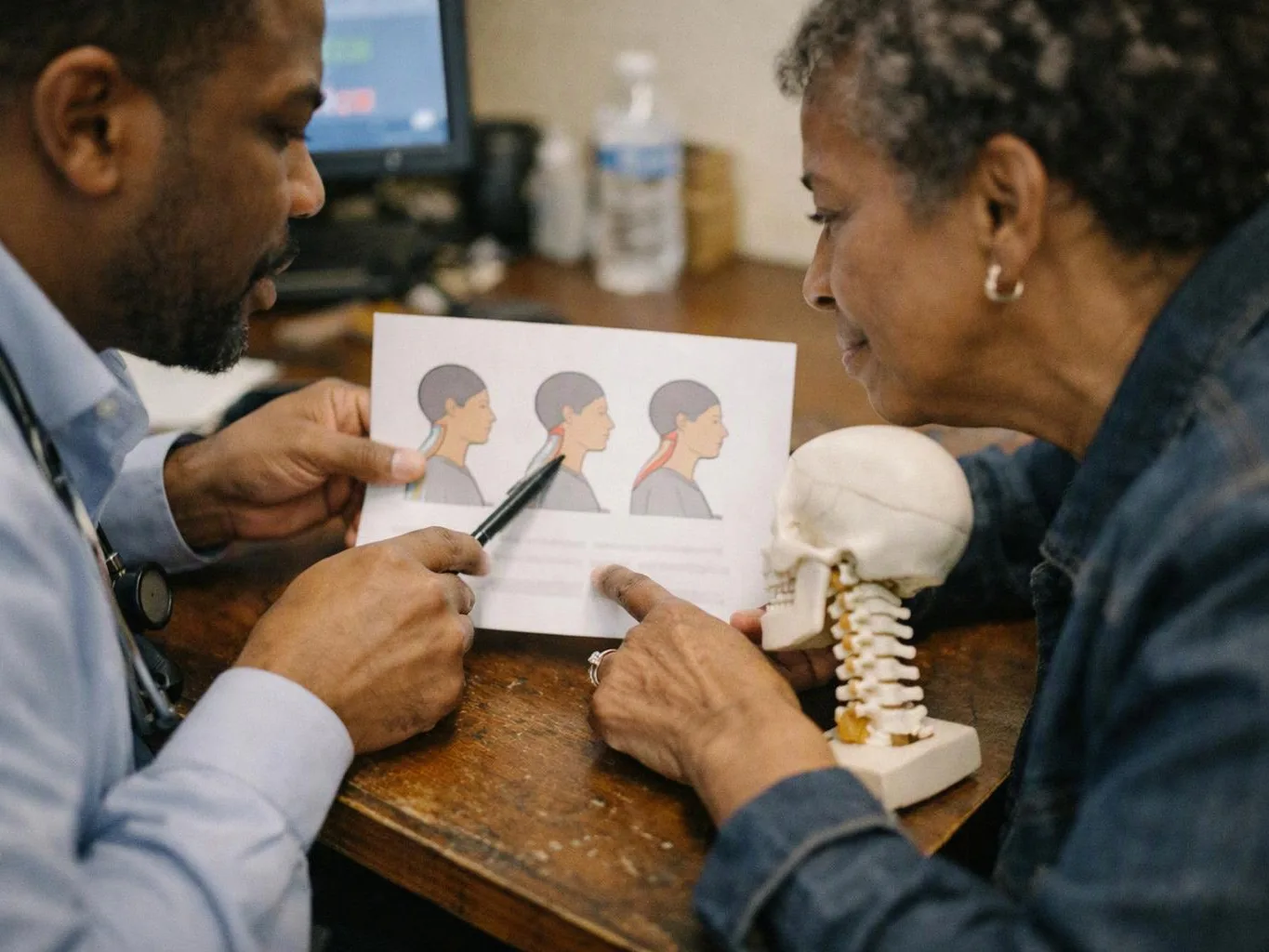
We discuss the collision, symptom start, pain location, movement limits, and care received since the accident.
We provide focused care for accident injuries that involve the sacroiliac joint. Free consultations help you discuss symptoms, treatment choices, and documentation needs.
A focused assessment connects buttock or low-back pain with the sacroiliac joint.
Treatment planning separates joint pain from symptoms linked to discs, nerves, or facet joints.
Medical documentation records the injury findings and the care discussed.
Sacroiliac Joint Injection is an interventional treatment that places medicine near the sacroiliac joint to address pain from that joint.

Sacroiliac joint injection care focuses on pain that may come from the joint linking the pelvis and lower spine. Auto accidents can strain this area, and the pain may feel close to symptoms from the lumbar spine, hip, or nearby muscles. We start with an injury evaluation and review the symptoms that brought you in. Our team considers the pain location, movement limits, prior treatment, and available medical records before discussing whether an injection fits your plan. The treatment is one part of care. Your plan may also involve follow-up, rehabilitation support, or another interventional procedure when the findings point elsewhere. We don't provide general primary care, urgent care, or workers' compensation care.
We discuss the collision, symptom start, pain location, movement limits, and care received since the accident.
We examine the painful area and compare its findings with symptoms that may come from the lumbar spine, hip, or nerves.
The physician explains whether a sacroiliac joint injection fits the clinical picture and what other treatment paths may be considered.
We review the planned procedure, expected follow-up, and questions before proceeding. Free consultations give you room to discuss the plan first.
Our team records the evaluation and treatment discussion for ongoing medical care connected to the accident.
Bring details that help us connect the accident, symptoms, and prior treatment.
We use injury findings and medical records to plan non-surgical sacroiliac joint care when clinically appropriate.
We provide sacroiliac joint treatment through board-certified physicians or qualified advanced practice clinicians.
We explain the examination findings, injection choice, and treatment alternatives before sacroiliac joint care proceeds.

My injection wasn't as bad as I thought. It was over quick and I was able to move and lift my legs in a way that I haven't in a while. This decision was well worth it. Office was clean and EVERYONE was absolutely amazing. 10 stars

The staff were super friendly and efficient with my back injections. They made me feel safe and I made a great connection with the receptionist. I was actually surprised by the low level of pain. I’ve had back injections before that were very painful, but these injections felt like a little pinch. Would definitely Recommend this facility.

The staff is very friendly, I went in to get an injection in lower back because I was having pain. The staff explained everything to me and answered all of my questions. I experienced no pain. Great experience!
Premier Injury Specialists can review your accident-related pain and discuss whether sacroiliac joint injection care fits. During the first days after you reach out, we'll gather your basic injury details, schedule an available consultation, and explain what records to bring.

Low-back or buttock pain can appear after a collision and may make sitting, standing, or walking harder. The key question is whether the sacroiliac joint fits the pain pattern or whether another structure needs attention. Bring your accident details and current records to a consultation so we can assess the injury and discuss suitable treatment.
Pain that reaches the hip or upper leg can feel unclear after an auto accident. Several structures can create similar symptoms, so location alone doesn't decide treatment. We compare your history, movement limits, and exam findings before discussing a joint injection. A focused visit can also identify when another pain procedure fits better.
Some patients reach the consultation after medicine, rest, or other care has not settled accident-related pain. That history matters because it shows what has already been tried and what still limits daily activity. Bring those treatment details, and we'll explain whether sacroiliac joint injection belongs in the next plan.