Skip to content

Intrathecal Pain Pump in Chamblee, Georgia

Safe catheter placement starts with a focused medical assessment in Chamblee. We explain how spinal fluid delivery and controlled dosing fit the care plan.

4.9 · 119 ReviewsUpfront, Transparent PricingServing 12 CommunitiesMon-Fri: 8 am–6 pm, Sat-Sun: Closed

Quick Summary: Intrathecal Pain Pump Care in Chamblee, Georgia

Intrathecal Pain Pump care in Chamblee is provided by Premier Injury Specialists for auto accident patients with injury-related pain. The coordinated practice offers focused evaluations, interventional treatment, and thorough medical documentation through clinics in Stockbridge and Buckhead.

  • What we do: Premier Injury Specialists provides Intrathecal Pain Pump care for auto accident patients in Chamblee, Georgia.
  • What is included: Injury evaluation, treatment planning, catheter placement guidance, implantable reservoir education, and medical documentation.
  • What you get: The treatment plan identifies whether controlled medication delivery fits the patient’s injury and pain needs.

Why does severe pain continue after an auto accident?

Severe pain can continue when nerves, discs, joints, or soft tissue remain irritated after a collision. A pain evaluation links symptoms with the injury record and exam findings. Premier Injury Specialists reviews these details before discussing procedures or medication delivery. Seek urgent medical attention for new weakness, loss of bladder control, trouble breathing, or other sudden warning signs.
Our Track Record

Average Rating
4.9
Customer Reviews
119

Intrathecal Pain Pump Care for Auto Accident Injuries in Chamblee

An intrathecal pain pump is considered when injury-related pain needs a focused treatment discussion. The work centers on the patient’s symptoms, exam findings, prior care, and medical records.

A pump uses an implantable reservoir and a catheter to deliver medicine into spinal fluid. That delivery method is different from an epidural steroid injection, facet joint injection, or nerve block, which place medicine during a procedure without an implanted reservoir.

The key decision is fit. We explain what the system involves, what follow-up may require, and when another treatment may better match the injury. Our practice focuses on motor vehicle collision injuries, including whiplash, herniated discs, sciatica, radiculopathy, headaches, and soft tissue pain.

  • Review the collision history, pain pattern, and current symptoms.
  • Bring available medical records, imaging reports, and treatment details.
  • Discuss whether controlled medication delivery fits the documented injury.
  • Understand follow-up needs before choosing an implant-based treatment.
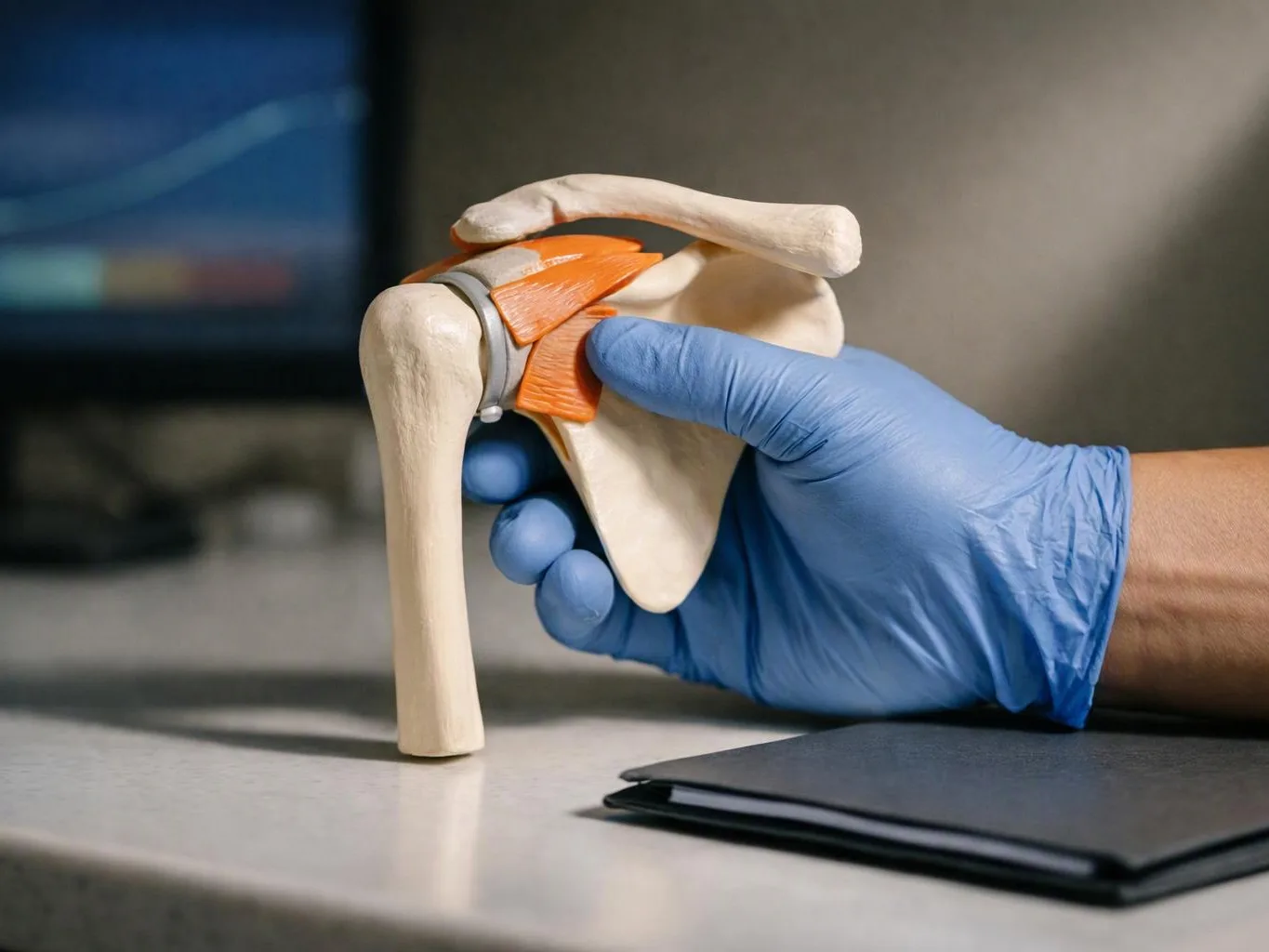
A blue-gloved hand holds a shoulder joint model on a tabletop

Service Overview

An intrathecal pain pump is an implanted system that sends prescribed medicine into spinal fluid.

  • The system differs from injections because an implantable reservoir supports controlled dosing after medical assessment and treatment planning.
  • Premier Injury Specialists provides this care for eligible auto accident patients from its Metro Atlanta clinics, including patients in Chamblee.

How We Approach Intrathecal Pain Pump Decisions

Start with injury records

We begin with the crash history, symptoms, exam findings, and available records. This service is the wrong fit when the pain does not relate to a motor vehicle collision or another treatment better matches the condition.

Explain the delivery system

The physician explains the catheter, spinal fluid, implantable reservoir, and controlled dosing in everyday language. You can ask questions before deciding whether to continue.

Coordinate injury documentation

Our physicians and certified physician assistant work through one coordinated practice. We document the injury evaluation and treatment plan for eligible auto accident patients.

Process

Steps for Planning Intrathecal Pain Pump Care

1

Review the collision and symptoms

The physician reviews the crash history, pain pattern, examination findings, and prior treatment.

2

Check treatment fit

The medical assessment considers whether an implantable reservoir and controlled dosing match the documented injury.

3

Explain the delivery system

The physician explains spinal fluid delivery, catheter placement, follow-up needs, and possible alternatives.

4

Set the care plan

The care plan records the medical decision and outlines the next step for eligible patients.

What Intrathecal Pain Pump Care Includes

Premier Injury Specialists provides comprehensive Intrathecal Pain Pump in Chamblee. Here's what you get:

  • The initial visit includes an injury-focused medical evaluation.
  • The care plan explains how an implantable reservoir and catheter deliver medicine into spinal fluid.
  • The physician reviews whether the proposed treatment fits the patient’s symptoms and records.
  • The visit includes discussion of other interventional options when they better match the injury.
  • Our coordinated practice provides thorough medical documentation for eligible auto accident patients.

What Controlled Medication Delivery Can Change

A focused assessment helps connect pain symptoms with the motor vehicle collision.

Controlled dosing gives the physician a structured way to discuss medicine delivery through an implanted system.

Clear treatment planning helps patients understand the care path before making a decision.

Thorough medical documentation supports coordinated injury care and follow-up.

A specialist review may show that an injection, nerve block, or another treatment fits better.

How Pump Care Differs From Injection Treatments

These options use different delivery methods and are considered for different treatment goals.

Treatment optionDelivery methodWhat the physician reviews
Intrathecal pumpAn implantable reservoir delivers prescribed medicine into spinal fluid.Injury records, symptoms, prior care, and suitability for controlled dosing.
Epidural steroid injectionMedicine is delivered during an injection near targeted spinal structures.Pain location, nerve irritation, exam findings, and treatment goals.
Nerve blockMedicine is placed near a targeted nerve or joint region.The suspected pain source and whether a focused block fits the condition.

The Premier Injury Specialists Standard

  • Evidence-Based Planning
  • Qualified Clinical Care
  • Clear Treatment Explanations
  • Coordinated Support

Customer Reviews for Intrathecal Pain Pump in Chamblee

4.9(119 Customer Reviews)View our Google Business Profile
Cleveland Dunham
Cleveland Dunham
3 months ago
Verified on Google
A great place very nice and friendly clean, caring assistance a excellent place for pain treatment the doctors work great and it made me feel really comfortable.
Love
Love
6 months ago
Verified on Google
Dr. Scott was amazing. My procedure was almost pain free. I can not thank you enough!
Brittany Cole
Brittany Cole
a year ago
Verified on Google
The staff were super friendly and efficient with my back injections. They made me feel safe and I made a great connection with the receptionist. I was actually surprised by the low level of pain. I’ve had back injections before that were very painful, but these injections felt like a little pinch. Would definitely Recommend this facility.

Questions About Intrathecal Pain Pump Care

At the outset of the job, how does an intrathecal pain pump deliver medication during the scheduling phase?

Catheter placement connects the implantable reservoir to spinal fluid, where prescribed medicine is delivered through controlled dosing. The physician explains how the system works during the consultation. Premier Injury Specialists also reviews the injury record, current symptoms, and prior care before discussing whether this approach fits. The system does not replace medical follow-up or a complete treatment plan.

What should I bring to the first consultation for Intrathecal Pain Pump?

Medical records, imaging reports, medication details, and accident information help the physician assess treatment fit. Bring documents from prior visits when available, along with a list of current symptoms. Our team reviews the information with your exam findings and explains the next step. You can still request an assessment if some records are not yet available.

Which pain conditions may lead to this treatment discussion?

Crash-related nerve pain, disc pain, and persistent back symptoms may lead to a discussion about an intrathecal pump. The assessment also considers headaches, sciatica, radiculopathy, and soft tissue injuries. A diagnosis alone does not decide treatment. The physician weighs the symptom pattern, prior care, medical records, and other available options.

When might an injection or nerve block fit better?

An injection or nerve block may fit better when the physician can target a specific inflamed joint, nerve, or spinal area. Epidural steroid injections, facet joint injections, medial branch blocks, and occipital nerve blocks are available procedures in our practice. The physician compares the documented injury and treatment goal before recommending a path.

Why does the treatment plan need medical records?

Medical records show the injury history, prior care, medication use, and documented response to treatment. That information helps the physician judge whether controlled medication delivery fits the patient. Imaging reports can add useful detail, but the record is reviewed with the physical exam and symptom history. Results vary, so the plan stays specific to the patient.

Does Chamblee care focus only on auto accident injuries?

Our practice focuses on pain and injuries caused by motor vehicle collisions. We treat conditions such as whiplash, herniated discs, sciatica, radiculopathy, headaches, and soft tissue injuries. We do not provide general primary care, urgent care, or workers’ compensation care. Eligible patients can ask about MedPay or attorney liens during the consultation.
Contact

Discuss Intrathecal Pain Pump Care in Chamblee

Premier Injury Specialists can review your accident-related pain, records, and treatment history. After you reach out, the first steps include arranging an assessment, discussing available documents, and explaining whether a controlled medication delivery plan fits your care needs.

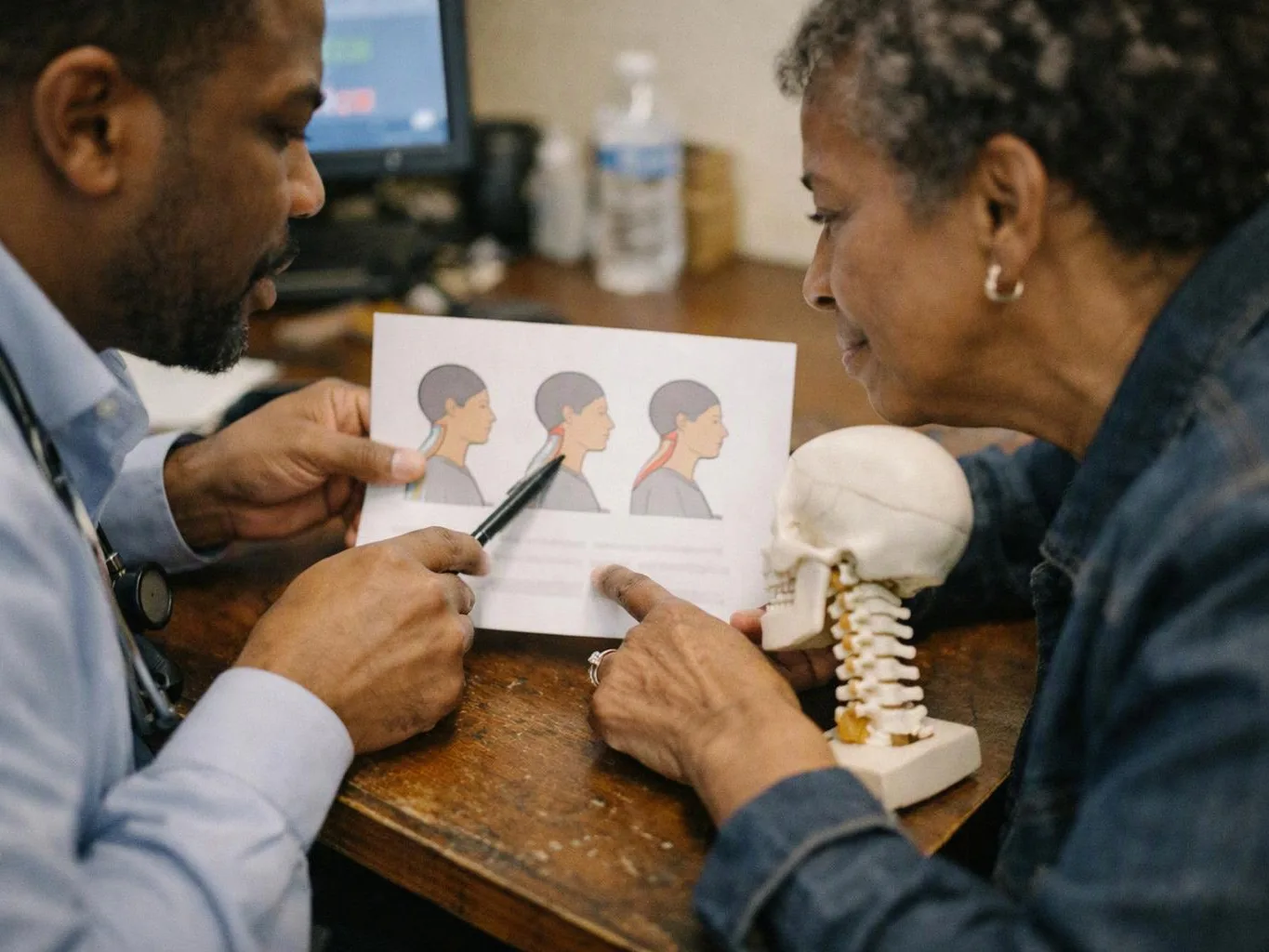
Two adults study a neck posture diagram at a desk beside a small spine model
(478) 607-6106