Record the nerve symptom pattern
We document pain location, burning, tingling, numbness, and symptoms that travel along an arm or leg.
We provide focused care for accident injuries across Stonecrest and Metro Atlanta. Our pain physicians assess nerve-related pain and explain treatment choices before proceeding.
A targeted plan for pain that follows a nerve pattern.
A treatment option that does not rely on placing medication into a joint.
Clear medical records that connect symptoms, examination findings, and accident-related care.
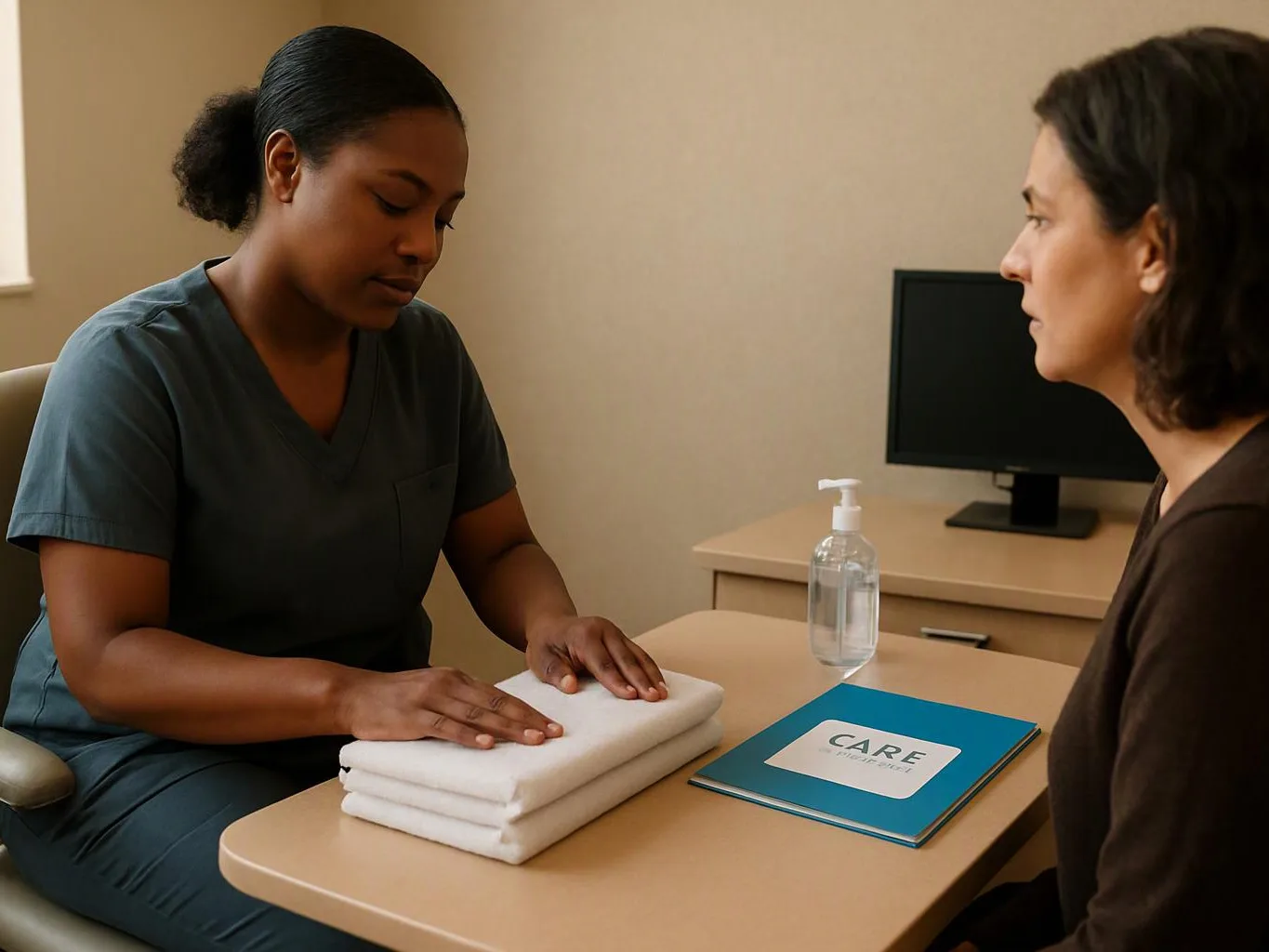
Peripheral nerve stimulation focuses on pain linked to a specific peripheral nerve. It may be considered when nerve symptoms continue after a motor vehicle collision and other care has not addressed the problem. Our process starts with an injury evaluation, symptom review, and physical examination. We explain the treatment goal, possible risks, and other options before any procedure. Results vary, and treatment isn't right for every patient. The main buyer decision is fit. Your pain pattern, examination findings, prior care, and overall injury record all matter. We also document accident-related findings for medical purposes and coordinate the care plan through our practice.
Peripheral nerve stimulation is an interventional treatment that uses electrical signals near a targeted peripheral nerve to help manage pain.
We document pain location, burning, tingling, numbness, and symptoms that travel along an arm or leg.
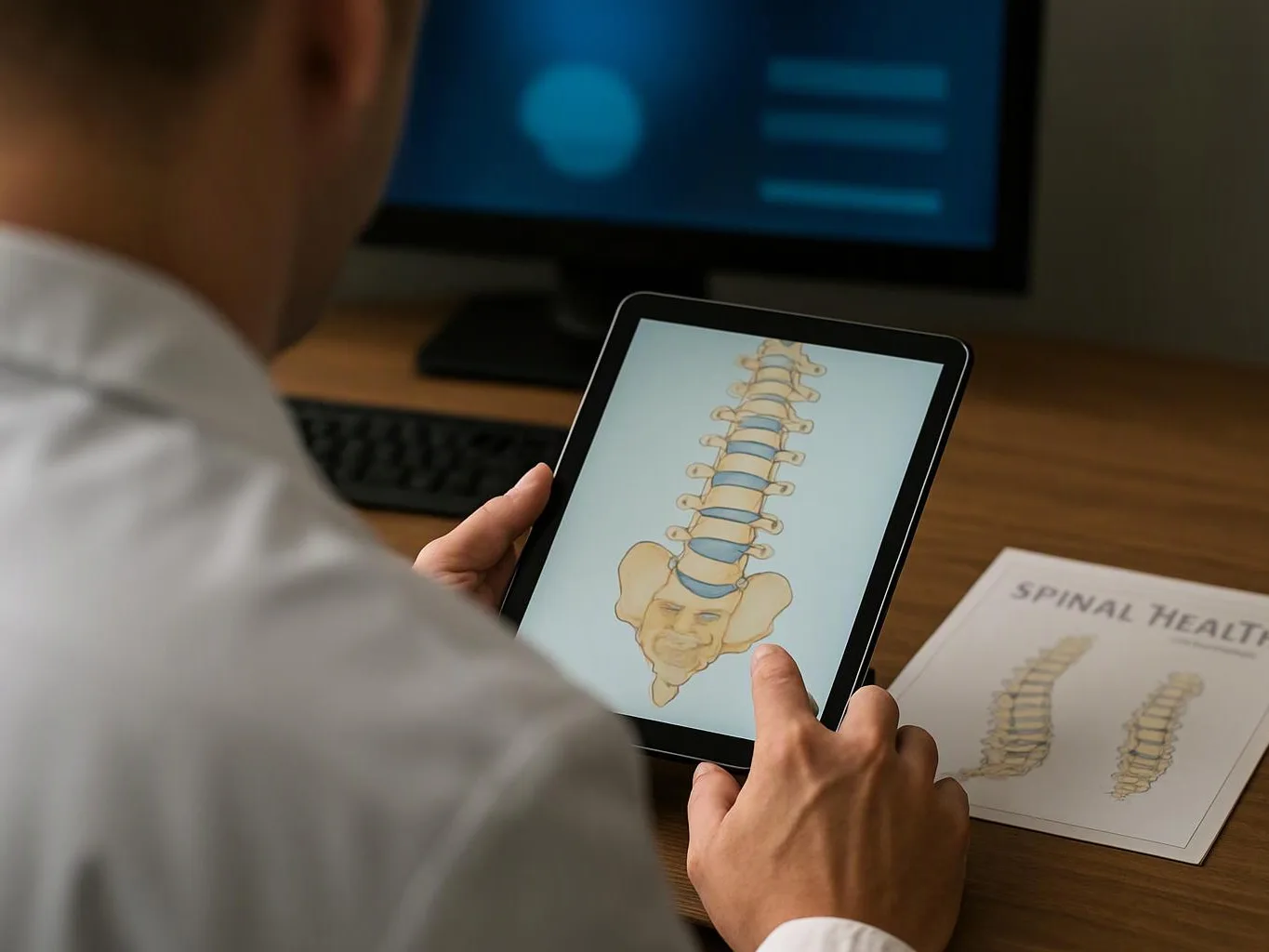
Our physicians compare the symptom pattern with your accident history and physical examination to identify whether a peripheral nerve may be involved.
We explain how stimulation differs from injections, review possible complications, and discuss alternatives before choosing a plan.
We record the plan and findings for medical documentation, then coordinate related rehabilitation or behavioral-health support when appropriate.
Bring records that help us connect your current symptoms with the motor vehicle collision.
We use clinical findings to plan non-surgical nerve treatment when that approach is appropriate for accident-related pain.
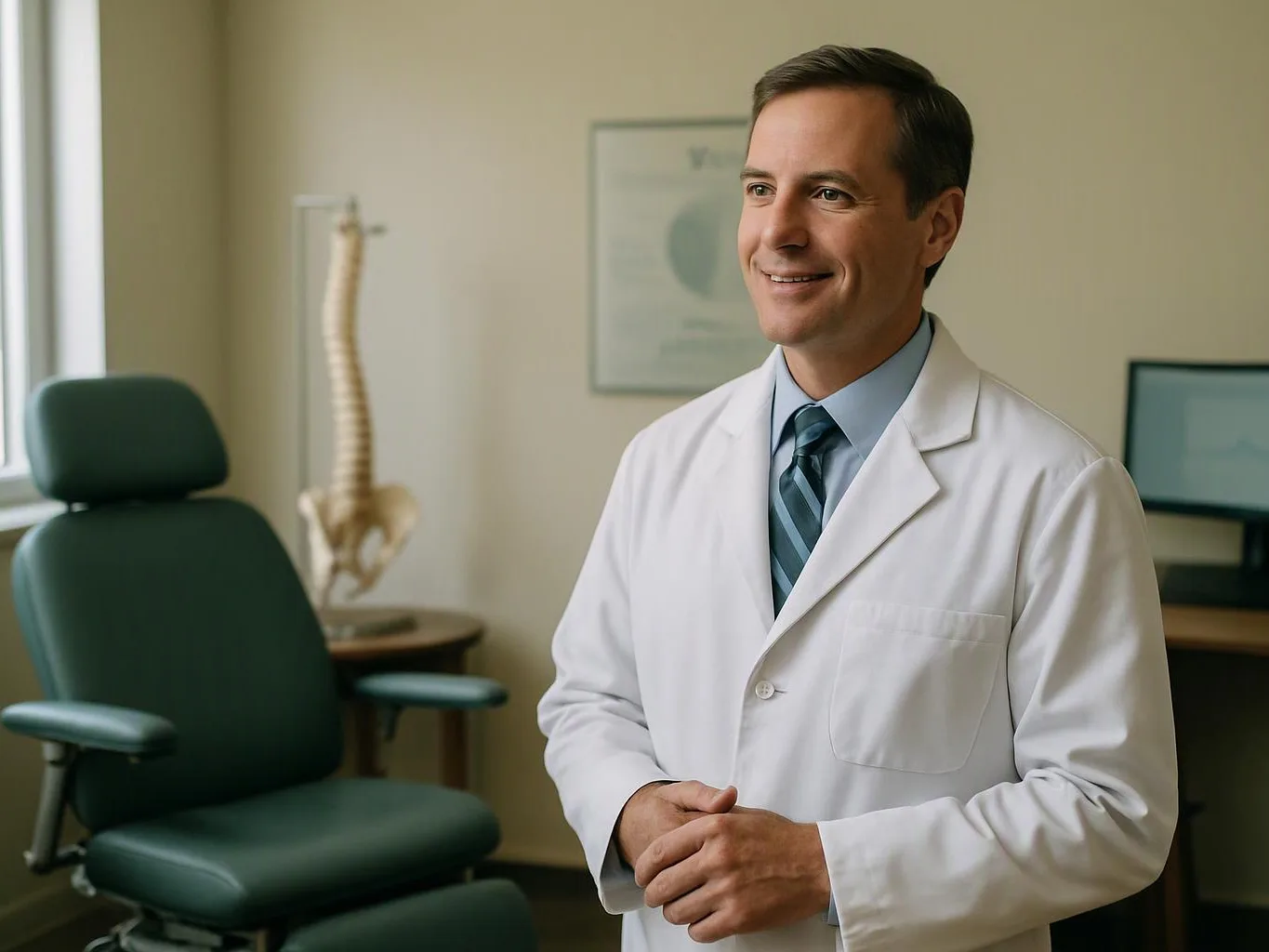
Our physicians and advanced practice clinician review nerve symptoms, examination findings, and treatment fit together.
We explain the treatment purpose, possible risks, and available options before peripheral nerve stimulation proceeds.

I can’t thank Stacey and Dr. Vyas enough for their kindness and professionalism. Stacey was so sweet and attentive, and Dr. Vyas made me feel confident and cared for. The procedure went so smoothly. I felt safe and supported the whole time. Truly a wonderful experience!!

I had an amazing experience. The staff was super friendly and helpful and everything the doctor said I would feel and experience I did and they was right there every step of the way making sure I was okay and the nurse is so supportive from beginning to recovery… I definitely recommend this facility

Feel better already. Fantastic service
If accident-related burning, tingling, numbness, or traveling pain continues, Premier Injury Specialists can review your symptoms and records. Schedule a visit through our Metro Atlanta practice.

Burning pain can continue after the visible bruising fades, especially when symptoms follow a clear nerve path. The key question is whether the pattern matches the injury and examination findings. Write down the affected area and any numbness or tingling before your visit. We can then assess the symptoms and discuss whether targeted stimulation belongs in the treatment plan.
Pain that moves from the neck or back into an arm or leg may involve nerve irritation, radiculopathy, or another crash-related condition. The location and pattern matter more than a single pain score. Bring prior records and describe when the pain travels. Our physicians will connect those details with an examination before discussing treatment choices.
A patient who fears needles or complications deserves a clear explanation before deciding on treatment. Peripheral nerve stimulation has risks and may not fit every pain pattern, so the assessment must come first. Ask about the purpose of each step, possible warning signs, and follow-up. We explain those points before proceeding with an interventional plan.