What types of pain can occur during cancer treatment?
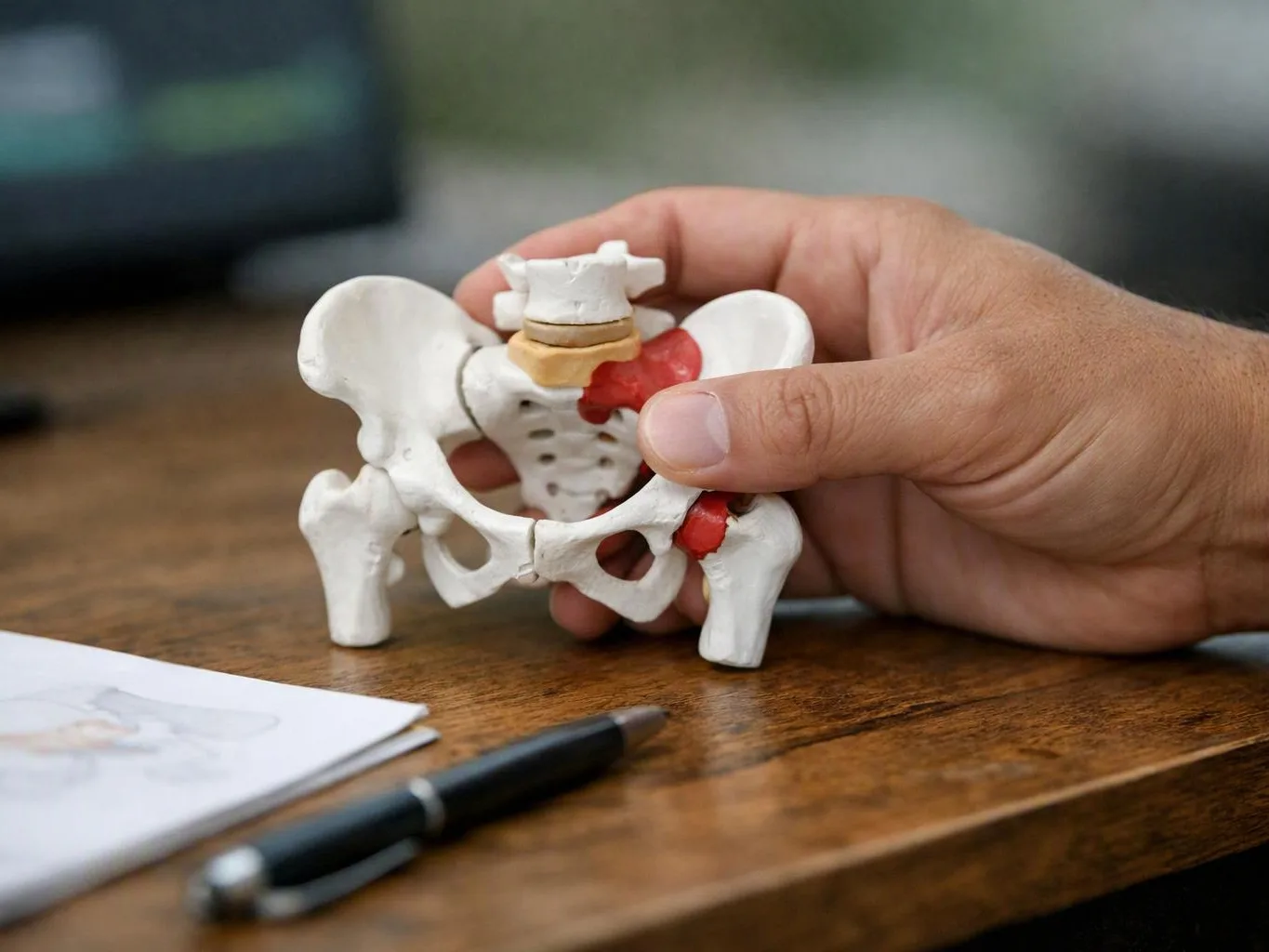
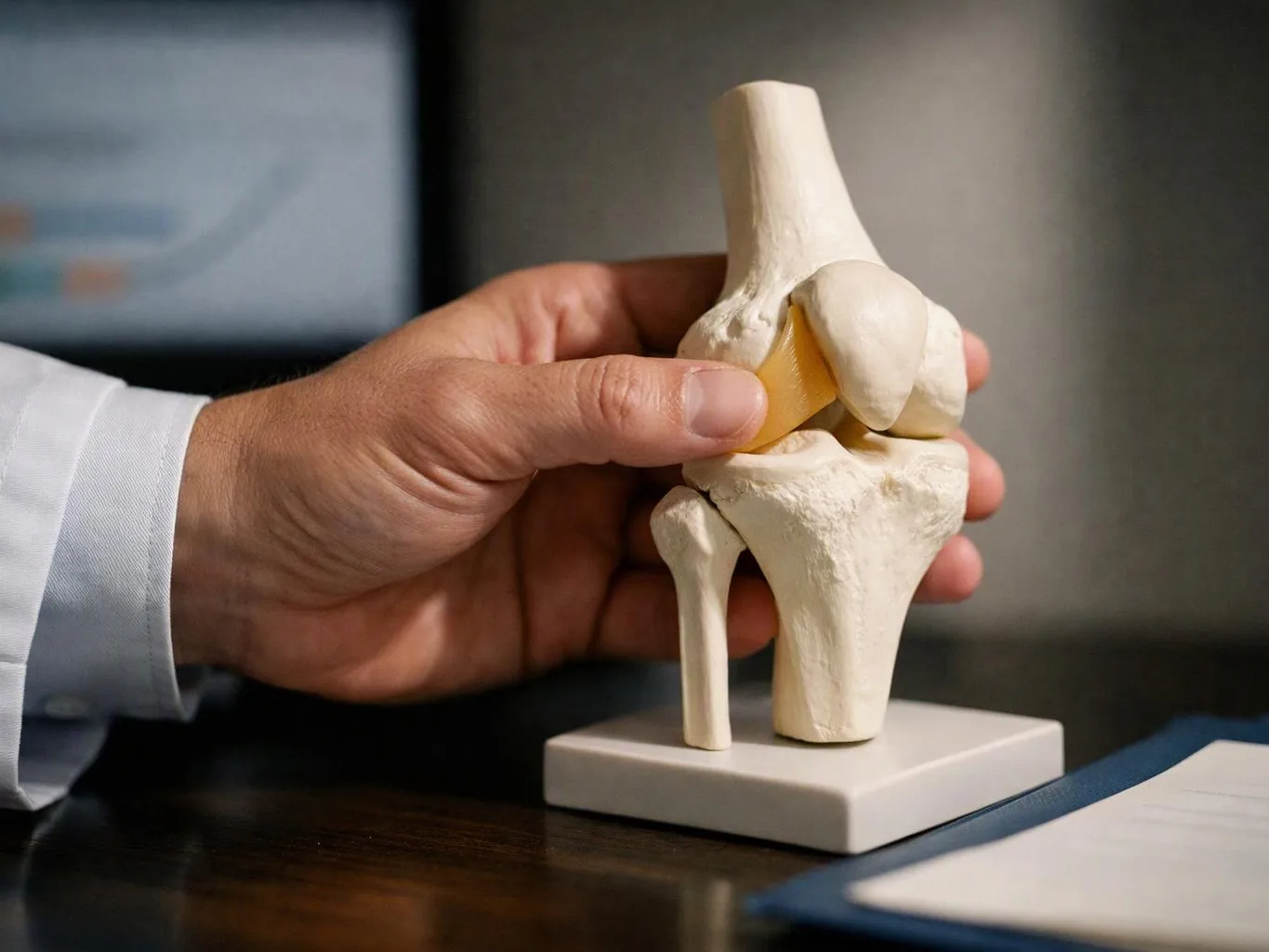
Tumor pain, nerve pain, bone pain, treatment pain, and postoperative pain can occur during cancer care. Each pattern can feel different and may need a different treatment discussion. Burning or shooting pain may suggest nerve involvement, while deep aching pain may point to bone or pressure-related causes. A focused evaluation helps sort these patterns.
How does a pain physician help with cancer-related nerve pain?
A pain physician reviews the nerve symptoms and matches treatment to the affected area. Burning, tingling, numbness, and shooting pain can guide the assessment. Our team may discuss an occipital nerve block, medial branch block, or another targeted procedure when appropriate. The visit also records how symptoms affect movement, sleep, and daily care.
Which records should I bring to the first consultation?
Relevant medical records, a current medication list, and details about prior procedures are useful at the first consultation. Bring reports that describe the cancer treatment, surgery, imaging, or pain history when available. A written note about pain location and triggers can also help. The practice uses these details to keep the treatment discussion focused.
When should postoperative pain receive a separate medical review?
Postoperative pain deserves review when it remains severe, changes in character, or limits normal activity. New burning, spreading, or electric pain can point to nerve irritation. Fever, wound changes, or sudden severe symptoms need prompt attention from the treating medical team. Pain management can review persistent pain, but it doesn't replace surgical or oncology care.
Why might a nerve block be discussed for cancer-related pain?
A nerve block may be discussed when a specific nerve appears to carry the pain signal. The physician first reviews the location, pattern, and examination findings. An occipital nerve block and medial branch block address different nerve groups, so the choice depends on the suspected source. Results vary, and the physician explains risks and alternatives before treatment.
What changes the treatment plan for bone pain?
Bone pain location, movement limits, medical history, and current cancer treatment can change the care discussion. Deep aching pain may need coordination with the treating oncology team. Our practice reviews the pain concern and discusses whether interventional care fits. Severe new pain after an injury needs prompt medical attention before an elective procedure is considered.
Can I discuss cost before choosing a procedure?
Yes, the consultation can cover the evaluation, proposed procedure, and factors that shape the final cost. Premier Injury Specialists offers Free Consultations for this discussion. The selected procedure, treatment area, and medical needs affect the care plan. Ask about the expected documentation and next steps before agreeing to an intervention.